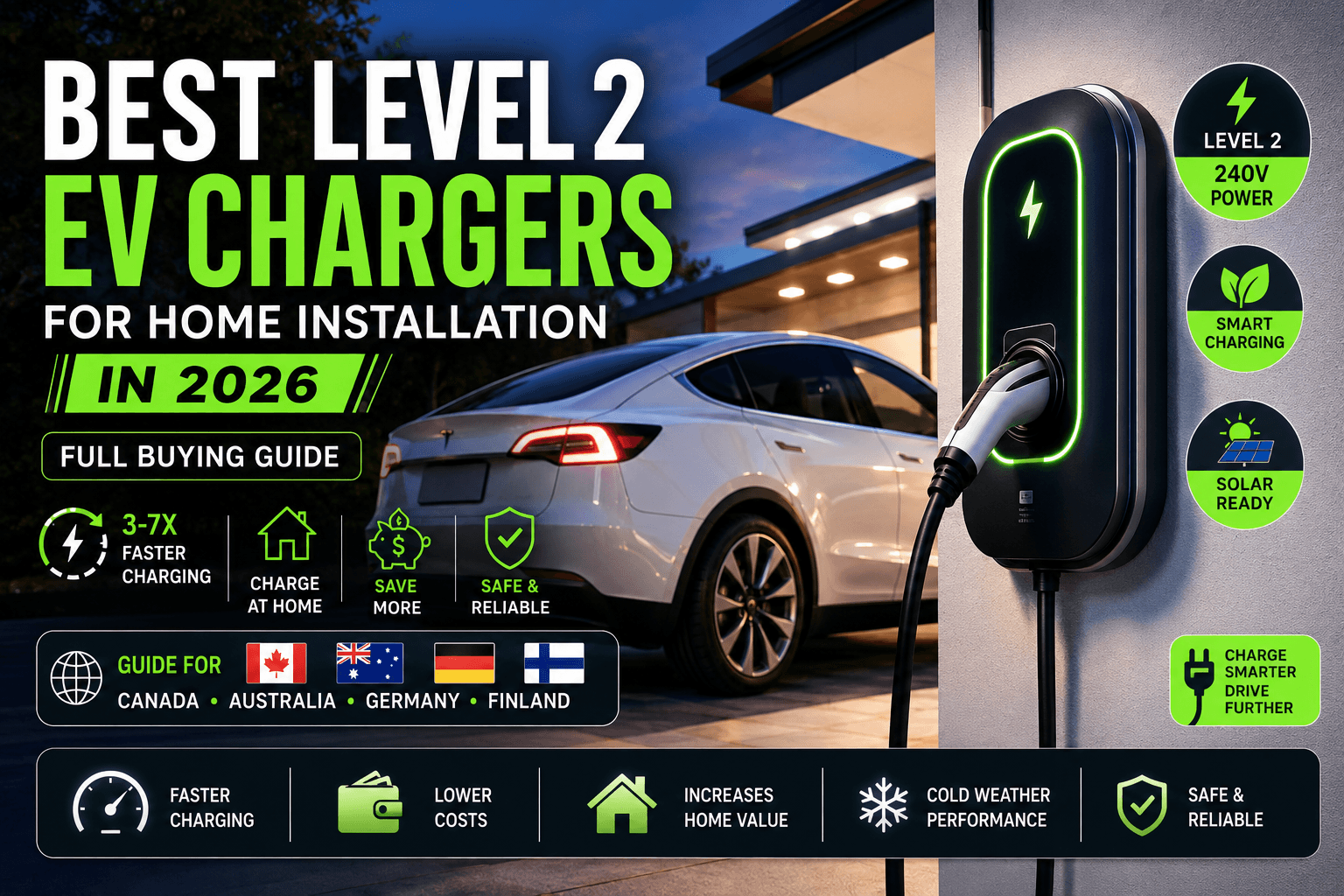
Choosing the right charger is no longer as simple as picking the top result on Amazon. Between hardwired and plug-in setups, different power capacities, freezing weather performance and a shifting rebate landscape. You need to know exactly what you are buying before the electrician arrives.
This guide breaks down everything you need to know: what features actually matter, what installation costs to expect and how to choose the right charger if you live in Canada, Australia, Germany or Finland.
Why a Level 2 Home EV Charger Is Worth It
A standard wall outlet (Level 1 charging) only adds about 5 to 8 kilometers of range per hour. That is fine for an emergency, but painful for daily driving.
A Level 2 charging station runs on a 240-volt circuit for which is the same type of high-power outlet used by an electric clothes dryer or oven. It can easily charge most EVs from empty to full overnight in roughly 6 to 10 hours.
The main reasons homeowners make the upgrade include:
Speed: It charges 3 to 7 times faster than a standard wall outlet.
Convenience: You never have to waste time waiting at public fast-charging stations. Your car charges while you sleep.
Lower Costs: Home electricity is almost always cheaper than commercial public charging, especially if your utility plan offers cheaper rates at night.
Home Resale Appeal: A professionally installed EV charger makes your home much more attractive to future buyers who drive electric cars.
Cold Weather Performance: In freezing weather, standard Level 1 chargers waste a lot of energy just warming up the cold battery before they can even start charging it. Level 2 chargers have the power to handle cold weather efficiently.
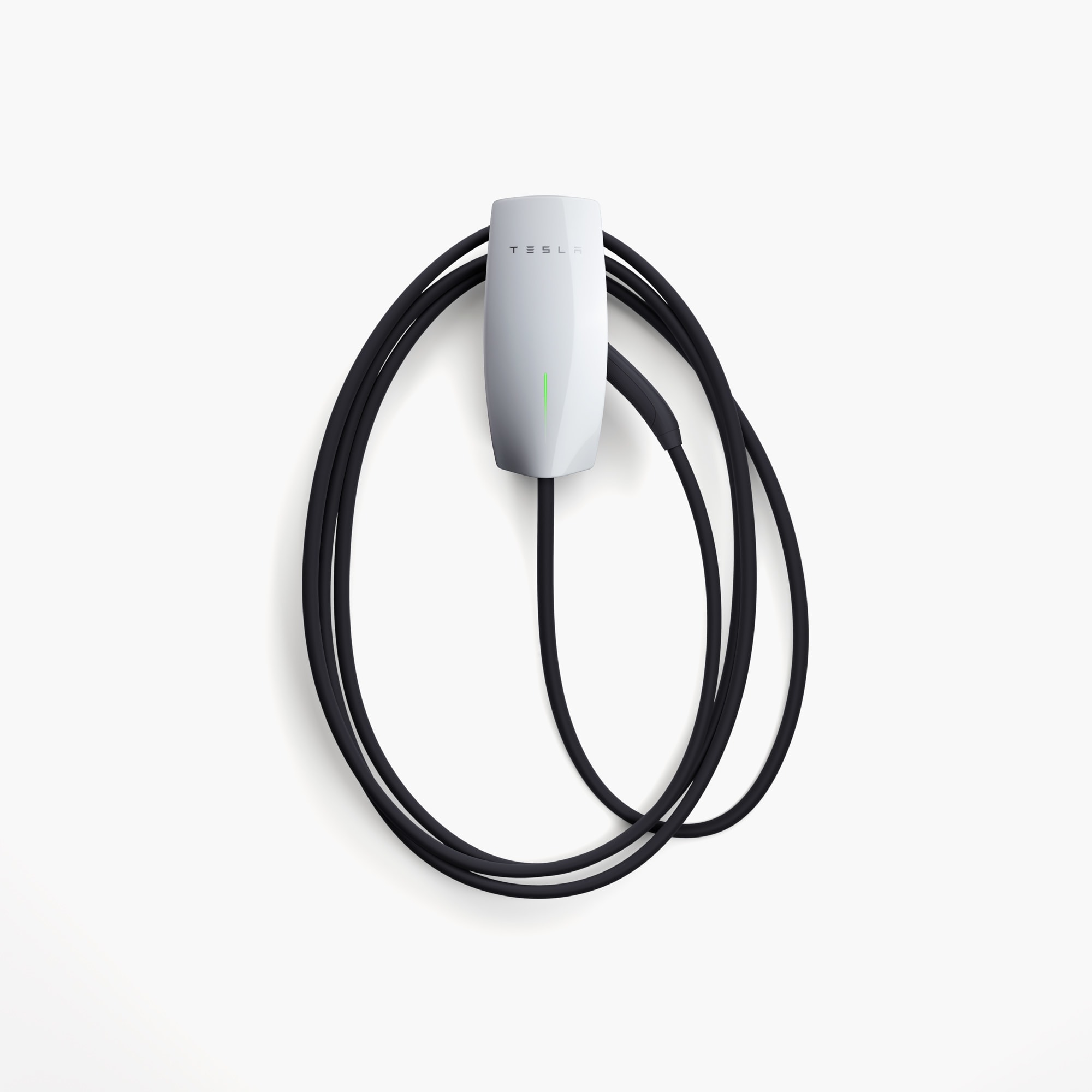
Tesla Wall Connector With Monitioring and Wi-Fi connectivity
Wall Connector is a convenient and fast way to charge your Tesla vehicle at home.
Level 2 Charger Installation Cost: What to Actually Expect
While exact prices vary by region, the total cost always comes down to three things: the charger itself, the electrician people labor and any necessary upgrades to your main electrical panel.
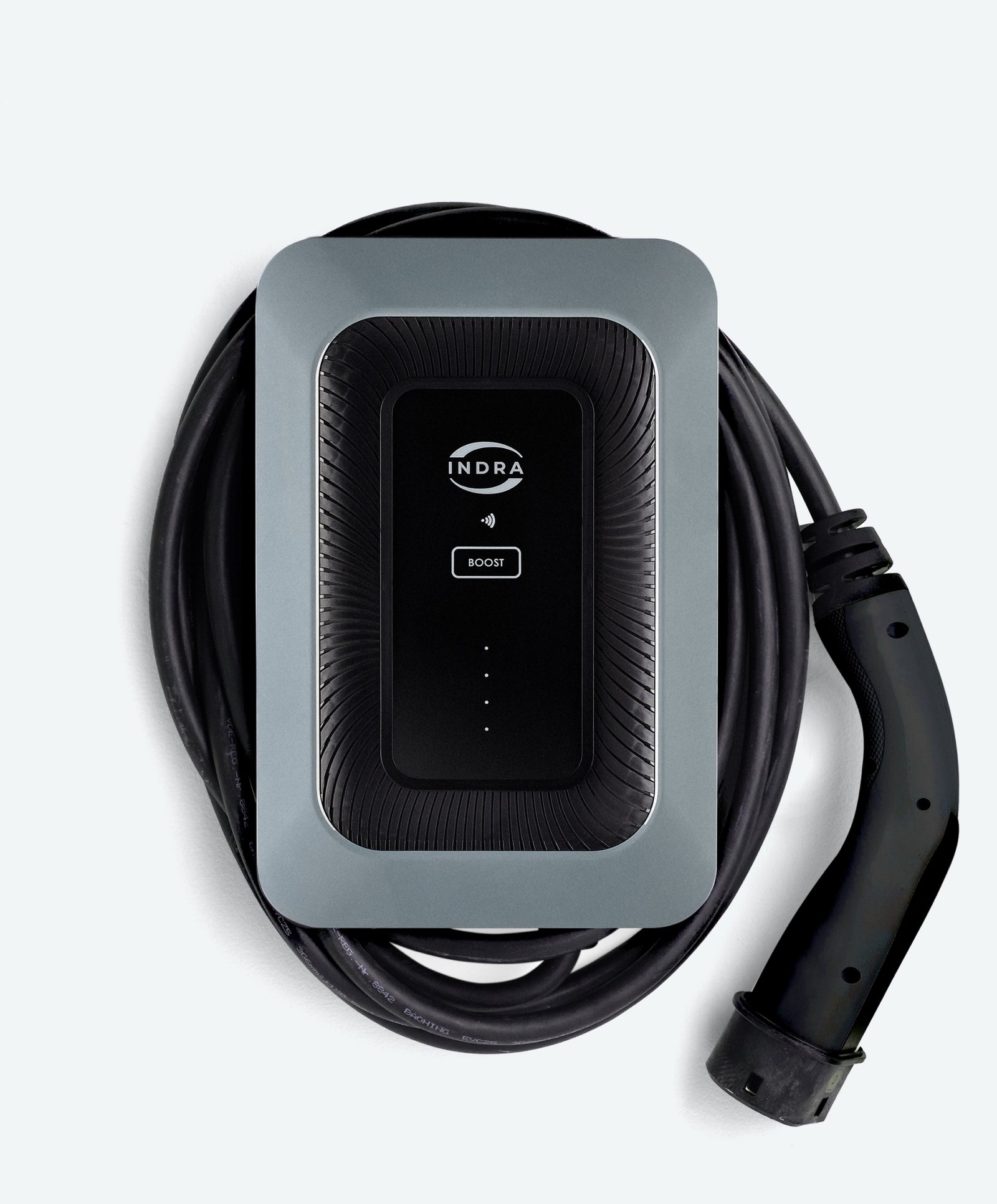
Indra Smart LUX EV Charger Solar Smart Charger
The Indra Smart LUX is the flagship from Indra - combining the full solar-smart feature set of the Smart PRO with a premium enclosure available in a choice of distinctive British colours.
The three biggest factors that shift your installation price are:
Distance: How far your electrical panel is from your preferred parking spot. Longer wire runs mean higher material and labor costs.
Panel Capacity: Whether your home electrical panel has enough space for a new 40-amp or higher circuit breaker or if you need a panel upgrade.
Connection Type: Hardwired installations connect the charger directly into your homes electrical wiring with no plug. They usually cost a bit more upfront but are more durable and reliable in extreme cold. Plug-in chargers use a heavy-duty wall outlet, making them easier to replace or move later.
Note: If you plan to claim a government rebate, read the rules carefully first. Some programs require you to hardwire the charger to qualify.
How Much Power Do You Actually Need?
Do not overpay for a massive power capacity if your car or your home cannot use it. The right setup depends heavily on your local power grid.
North America (Canada)
Most homes install a 40-amp or 50-amp Level 2 circuit. A 40-amp circuit adds about 30 to 50 kilometers of range per hour. Buying a higher-amperage charger only makes sense if your specific EV has an onboard charging system designed to accept that much power.
Europe (Germany and Finland)
Most homes use three-phase electricity and choose between an 11kW or 22kW wallbox. An 11kW setup is the standard choice and will easily charge most EVs overnight.
While 22kW sounds better, it only works if your car internal charger can accept it and your home fuses can handle the load. Most electric cars on the market today cap out well below 22kW when using AC home charging.
Australia
The biggest question here is single-phase versus three-phase power. Many older Australian homes only have single-phase power, which automatically caps your maximum charging speed regardless of how powerful a charger you buy.
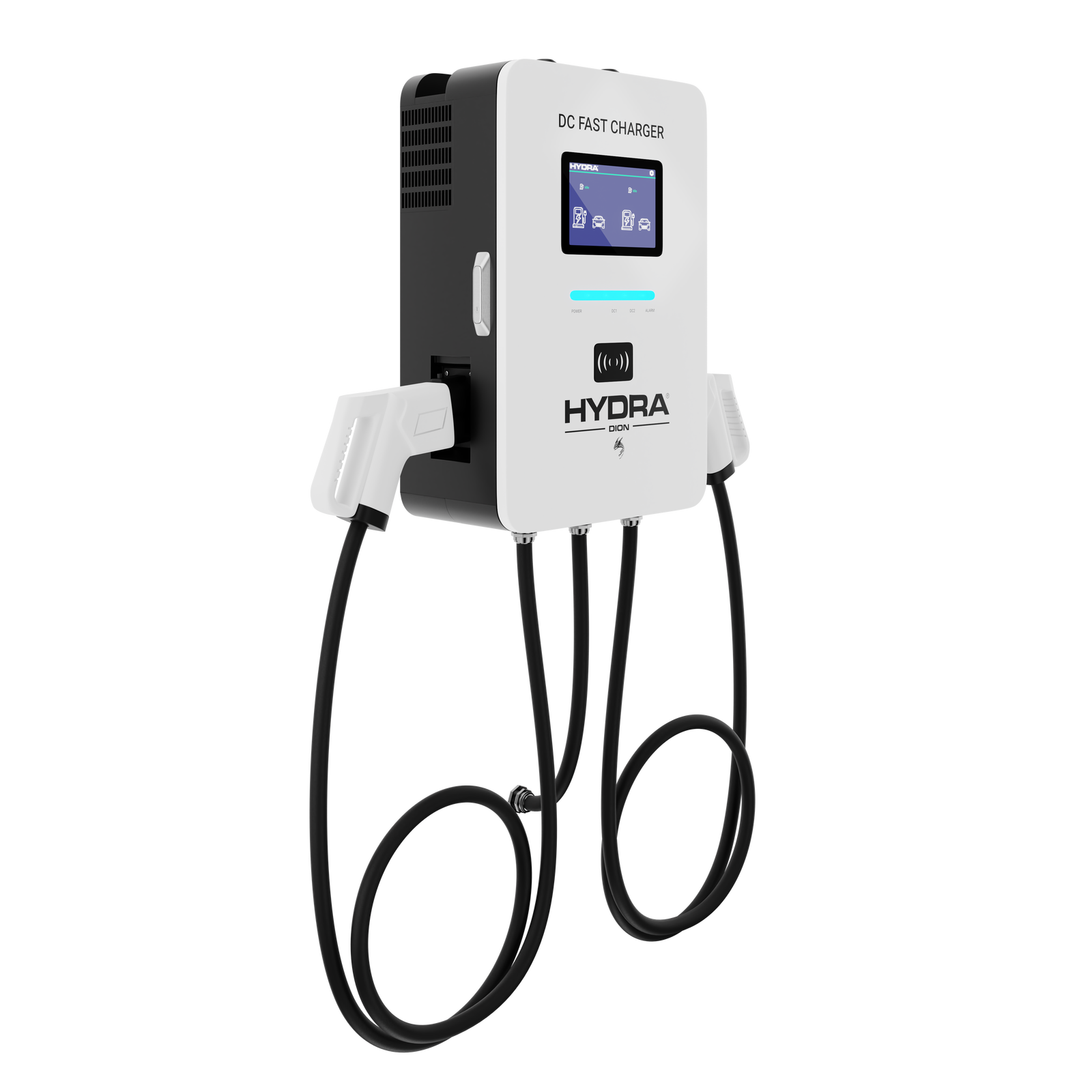
Hydra Dion Super Collection
The Hydra Dion is a compact wall-mounted DC fast EV charger available in 20kW, 30kW and 40kW outputs.
Smart Features Worth Paying For
The best chargers do more than just send power to your car. Look for these intelligent features to maximize your savings:
Spot Price and Off-Peak Automation: The best modern chargers track live electricity prices and automatically start charging when power is cheapest for saving you significant money if you are on a dynamic or time-of-use energy plan.
Dynamic Load Management: This prevents your home fuses from blowing by automatically lowering the charger's power draw if you turn on other high-energy appliances like a heat pump, oven or dryer at the same time.
Solar Integration: If you have solar panels, these smart chargers can detect when you have extra solar energy and route it directly into your car's battery instead of sending it back to the utility grid.
Multi-EV Support: If your household has two electric cars, choose a charger that supports load-sharing so both cars can plug in at the same time without overloading your electrical system.
Bidirectional Charging (V2G/V2H): Vehicle-to-grid and vehicle-to-home technology allows your car to send power back into your house during a blackout or peak hours. This is an excellent way to future-proof your setup. Even if your current car does not support it yet.
Rebates and Incentives: The Honest Picture
Direct cash rebates for home charger installations have shrunk or vanished in many regions. Never buy a specific charger solely because you assume you will get a rebate. Always check your local guidelines first.
Canada
Rebates are handled by provincial governments rather than the federal government, so availability varies wildly:
British Columbia: The Go Electric BC program covers up to 50% of costs up to a maximum of $350 with an extra $200 available if you install an approved smart power-management device.
Yukon: The Good Energy Program covers up to 50% of costs up to a maximum of $1,500 for qualifying setups.
Quebec and Prince Edward Island: Active programs are still running but are currently scheduled to wind down by the end of the year.
Tip: Most Canadian programs require the charger to be safety certified by organizations such as cUL, ULC, cETL, or CSA and appear on an official pre-approved model list.
Australia
State Programs: Most major states, including New South Wales, no longer offer direct cash rebates for installing residential Level 2 chargers.
Territories: The Northern Territory offers a $1,000 residential rebate, while the Australian Capital Territory (ACT) and Tasmania offer zero-interest loans to help cover the upfront costs.
Novated Leases: The biggest financial benefit left for most Australians is the federal FBT (Fringe Benefits Tax) exemption, which you can often use to bundle a home charger into a vehicle novated lease package.
Germany
The older KfW 440, 441, and 442 wallbox grants are officially closed, and no new funding rounds are planned for single-family homes.
A federal program offers up to €2,000 per parking space, but this is strictly for landlords, multi-unit apartment buildings, and small businesses, not owner-occupied single homes.
Homeowners can still save money through the §14a EnWG lower network fee discount and the §35a EStG household tax deduction, which lets you write off up to €1,200 of the electrician's labor costs.
Finland
There is no direct government grant to buy the physical charging unit.
You can use the household tax deduction (kotitalousvähennys) to cover 35% of the electrician's installation labor costs. This is capped at €1,600 per person per year with a €150 deductible. The cost of the charger itself cannot be deducted.
Employer-paid EV charging is treated as a taxable benefit for company car drivers.
Housing companies (taloyhtiö) cannot unreasonably block a resident from installing a charger, though the project must still be formally presented and approved at a general meeting of resident.
Important Checklist Before You Install
Get a load assessment: Have a licensed electrician check your home's main electrical panel to confirm it can handle the extra electrical load safely.
Secure your permits: Most cities require a building or electrical permit for a new 240-volt circuit. Skipping this step can void your home insurance if an electrical issue ever occurs.
Check the approved equipment lists: If you are applying for a rebate, make sure your specific charger model is on your local utility's approved list before you buy it.
Plan for the future: If you think your household might buy a second EV down the road, run extra electrical conduit to your parking spot during the initial installation. It is much cheaper to do it now than to pay an electrician to dig up walls or trenches twice.
Look at the temperature ratings: If you live in an area with harsh winter climates, choose a charger with a flexible rubber cable and an enclosure rated for extreme sub-zero weather so the cord does not freeze stiff.
Ready to Install Yours?
Once you know the exact power capacity and smart features your home requires, your next step is to look for current pricing and seasonal discounts. Manufacturer promotions and retail deals change frequently, so it is always smart to compare prices right before you make your purchase.
Frequently Asked Questions
Total installed costs usually range between $500 and $3,500 depending on your country, the charger model, and your home's layout. If your electrical panel is already capable and sits close to your garage or driveway, your costs will land on the lower end of that range.
Yes. A licensed electrician must calculate your panel capacity, safely run the heavy-duty wiring, pull the required permits, and arrange the final safety inspection. Using a professional is also mandatory if you want to qualify for manufacturer warranties and government rebates.
For the vast majority of drivers, 11kW is more than enough. It will easily charge almost any electric vehicle overnight. Furthermore, the onboard chargers built into most modern EVs cannot accept the full 22kW of power anyway, making the extra expense unnecessary for most homes.
Hardwired chargers are more weather-resistant, support higher power levels, and are excellent for cold climates. Plug-in chargers offer more flexibility because you can easily unplug the unit and take it with you if you move houses or need to send the charger in for repairs.