

Travel can get expensive when you pay for checked bags, buy overpriced airport water or need a charger at the last minute. The good news is that a few smart choices can help you avoid these extra costs.
The best budget travel gear is practical, easy to pack and useful on more than one trip. A reusable water bottle, a suitable carry-on backpack and a portable power bank can make traveling more convenient while helping you manage your spending.
In this guide, we will look at three money-saving travel essentials, their main benefits and limitations and simple packing tips to help you travel without unnecessary expenses.
Top 3 Money-Saving Travel Gear Essentials
1. Vapur Flexible Collapsible Water Bottle
Buying bottled water at airports and tourist attractions can add up, especially on longer trips. A reusable water bottle lets you refill it instead of buying a new bottle every time you need a drink.
The Vapur Flexible Collapsible Water Bottle is a handy option for travelers who want to save space in their bags. It folds down when empty, making it easy to carry between destinations.
Money-Saving Benefit: Helps reduce spending on bottled water during trips.
Key Features: Flexible, collapsible design, a carabiner for easy carrying and BPA-free materials.
Best For: Backpackers, day-trippers and travelers who want to pack light.
Pros and Advantages
Lightweight and easy to pack.
Carabiner makes it convenient to attach to a suitable bag.
Reusable design helps reduce single-use plastic waste.
Folds down when empty to save space.
Cons and Limitations
Smaller sizes may need frequent refills.
The flexible design may feel less sturdy than a rigid bottle.
Money-saving tip: Bring your bottle empty through airport security and refill it afterward at an available drinking-water station. Always follow the airport's current security rules.

Vapur Flexible Collapsible Water Bottle: Best Space-Saving Travel Bottle
The Vapur Flexible Collapsible Water Bottle is a lightweight and reusable hydration solution designed for travel, hiking, camping and everyday use. Its flexible design folds flat when empty, making it easy to pack and carry without taking up much space.
2. CabinMax Metz 44L Travel Backpack
Checked baggage fees can make a budget flight more expensive than expected. Traveling with one suitable carry-on bag can help you avoid these charges when your ticket includes the required baggage allowance.
The CabinMax Metz 44L Travel Backpack offers plenty of room for clothing and other travel essentials. Its suitcase-style opening also makes packing and finding your belongings easier.
However, its 44L capacity does not guarantee that it will qualify as cabin baggage on every airline. Check your airline's size, weight and baggage allowance rules before your trip.
Money-Saving Benefit: May help you avoid checked baggage fees when your ticket allows a bag of this size.
Key Features: 44L capacity, suitcase-style opening and a design intended for cabin travel.
Best For: Travelers who prefer carrying their belongings in one main bag.
Pros and Advantages
Offers room for clothing and travel essentials.
Makes it easier to organize belongings in one bag.
Can reduce the need for a separate checked suitcase on suitable trips.
Cons and Limitations
The 44L size may exceed some airlines' cabin baggage limits.
Packing too much can make the bag heavy or difficult to carry.
It may not qualify as a free personal item that fits under the seat.
Money-saving tip: Measure the backpack when fully packed and check your ticket's baggage allowance before leaving home. If your airline charges for larger cabin bags, compare that fee with the cost of checking luggage.
If you are comparing different luggage options, read our guide to the best carry-on luggage for international travel in 2026.
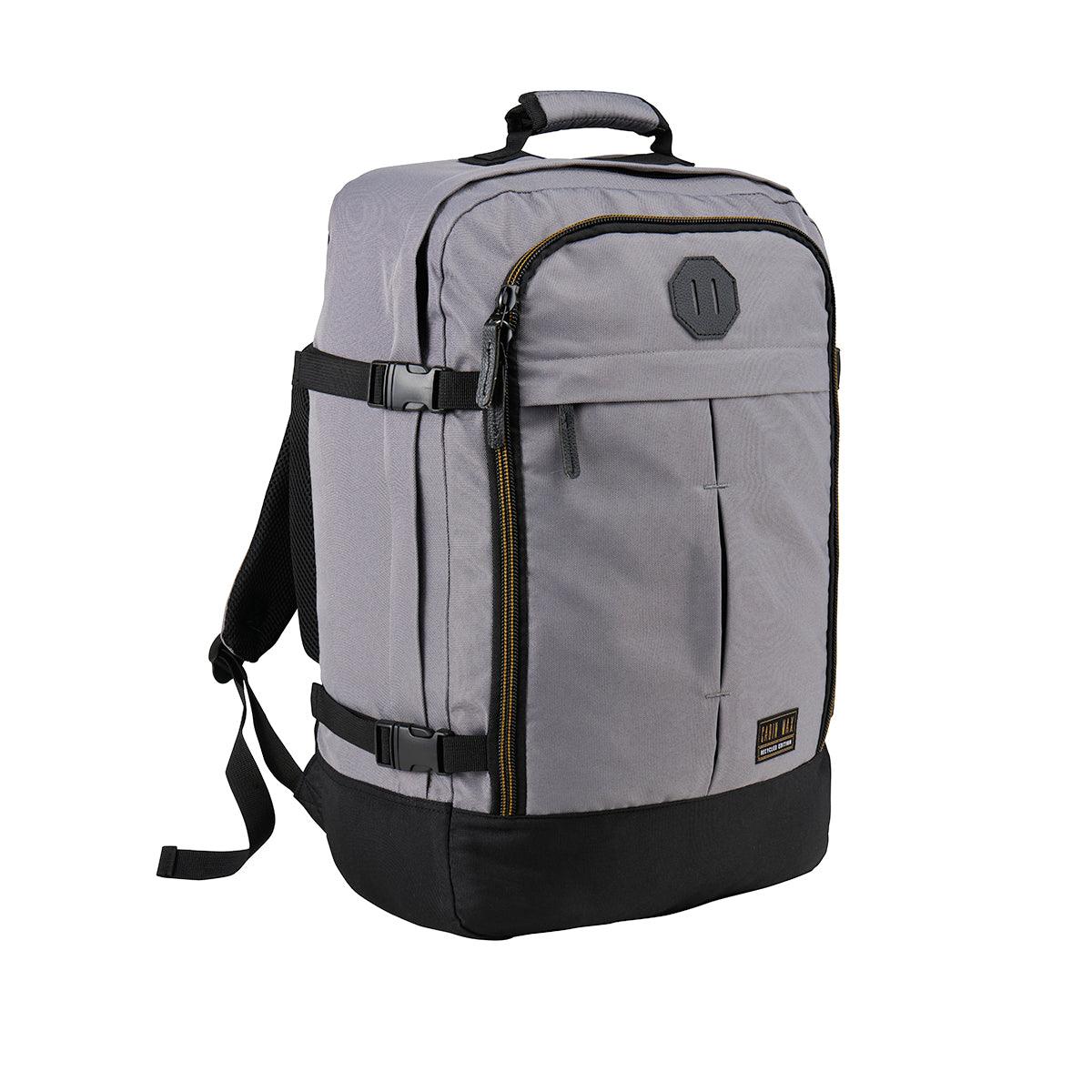
CabinMax Metz 44L Travel Backpack: Best Carry-On Backpack for Travel
The CabinMax Metz 44L Travel Backpack is a spacious and practical carry-on option for travelers who want to pack more without checking luggage. Its large 44-liter capacity, suitcase-style opening, and multiple compartments make organizing clothes, electronics, and travel essentials easy.
3. Anker 521 Magnetic Battery PowerCore Magnetic 5K
A dead phone can be a problem when you need digital boarding passes, maps, booking confirmations or directions. Buying a replacement charger while traveling can also cost more than expected.
The Anker 521 Magnetic Battery PowerCore Magnetic 5K is a compact charging option for compatible smartphones. It offers a 5,000mAh battery and magnetic wireless charging, making it convenient for travelers who want to carry fewer charging accessories.
Money-Saving Benefit: Helps reduce the chance of needing to buy an emergency charging accessory.
Key Features: Compact design, 5,000mAh capacity and magnetic wireless charging.
Best For: Travelers with compatible smartphones who need a portable charging option.
Pros and Advantages
Small enough to carry in a travel bag.
Magnetic wireless charging works with compatible devices.
Useful for keeping your phone powered while exploring.
Helps reduce reliance on public charging points.
Cons and Limitations
The 5,000mAh capacity may not provide multiple full phone charges.
Wireless charging requires a compatible phone.
Charging speed and actual battery performance can vary by device and usage.
Money-saving tip: Charge your power bank before leaving and check your airline's rules for carrying lithium batteries. Keep it in your cabin baggage when required by the airline.
Planning a longer outdoor trip? Explore our guide to the best portable power stations for camping for larger charging options.

Anker 521 Power Bank (PowerCore Fusion 5K): Best 2-in-1 Travel Charger
The Anker 521 Power Bank combines a 5,000mAh portable battery with a built-in wall charger, making it a convenient choice for travel and everyday use. Its compact design lets you charge your devices on the go while reducing the need to carry a separate power adapter.
Travel Gear Comparison: Which Essential Should You Choose?
Each item helps with a different travel expense. Use this quick comparison to decide which one fits your needs.
The best choice depends on how you travel. If you often buy bottled water, start with a reusable bottle. If baggage fees are your main concern, check your airline's rules before choosing a backpack. If you rely on your phone throughout the day, a compatible power bank may be more useful.
How to Calculate Your Travel Gear Savings
Buying travel gear only makes financial sense if the money you save justifies the purchase price. A simple calculation can help you decide whether an item is worth buying.
Net Savings = Total Expenses Avoided − Initial Purchase Cost
For example, imagine you buy a travel backpack for $50 and avoid $70 in checked baggage fees over two trips.
Total baggage fees avoided: $70
Backpack purchase cost: $50
Estimated net savings: $20
In this example, you save $20 after accounting for the backpack's purchase price.
These figures are hypothetical, not guaranteed savings. Your actual results depend on airline baggage rules, ticket type, trip frequency and the cost of the gear. Remember that a bag only saves you money on baggage fees if it meets the requirements of your ticket.
For another luggage option, read our NOBL smart luggage review to explore features designed to make traveling easier.
Smart Packing Hacks to Avoid Travel Fees
The right gear can help, but your packing habits also affect your travel budget. Try these simple ways to avoid unnecessary expenses.
1. Pack Light to Avoid Extra Baggage Charges
Check your airline's baggage allowance before packing. Choose versatile clothing that you can wear in different combinations and leave unnecessary items at home. A lighter bag is also easier to carry.
2. Bring Reusable Travel Essentials
Carry a reusable water bottle and suitable charging accessories. These items can help reduce repeated purchases during airport stops and day trips.
3. Pack Snacks Before You Leave
Airport food and drinks can be expensive. If your airline and airport rules allow it, bring suitable snacks from home to reduce impulse purchases. Check any restrictions on liquids and food before departure.
4. Keep Important Documents Available Offline
Save your boarding pass, hotel details, booking confirmations and other important documents for offline access when possible. This helps you find essential information without relying on mobile data.
5. Compare Baggage Rules Before Buying Gear
Do not assume every backpack or suitcase marketed as carry-on luggage will be accepted by your airline. Check the permitted dimensions, weight and included baggage allowance before buying a bag.
6. Track Your Travel Spending
Set a daily budget for food, transport, activities and other expenses. Keep track of small purchases during your trip so you can spot where your money is going and adjust your spending if needed.
Final Thoughts: Travel Smarter and Spend Less
You do not need expensive travel accessories to make your trips easier. A reusable water bottle, a suitable carry-on backpack and a compact power bank can help you avoid some common travel expenses.
Before buying anything, think about the costs you regularly face and choose gear that solves those problems. Check airline restrictions, pack only what you need and plan for everyday expenses before you leave.
Smart packing is not about buying more gear. It is about choosing useful essentials, avoiding unnecessary fees and making your travel budget go further.
Explore Anker Charging Accessories
Discover portable chargers and charging accessories from Anker to keep your devices powered while traveling.
Frequently Asked Questions
Yes, as long as they are completely empty when going through the security checkpoint. Once cleared, fill them at post-security water stations.
Measure your bags exterior dimensions when fully packed and compare them against your airline's maximum personal item or carry-on dimensions before heading to the airport.
Generally no, a 44L backpack is designed to fit in the overhead bin as a carry-on bag. For under-seat personal items, airlines usually require smaller bags around 20L to 30L.
Public USB ports can pose security risks like juice jacking, where malware is transferred via the charging cable. Using a portable power bank or your own wall adapter is a much safer option.
Checked bag fees typically range from $30 to $60 per flight segment. Traveling carry-on only can save an individual $60 to $120+ on a round-trip ticket.