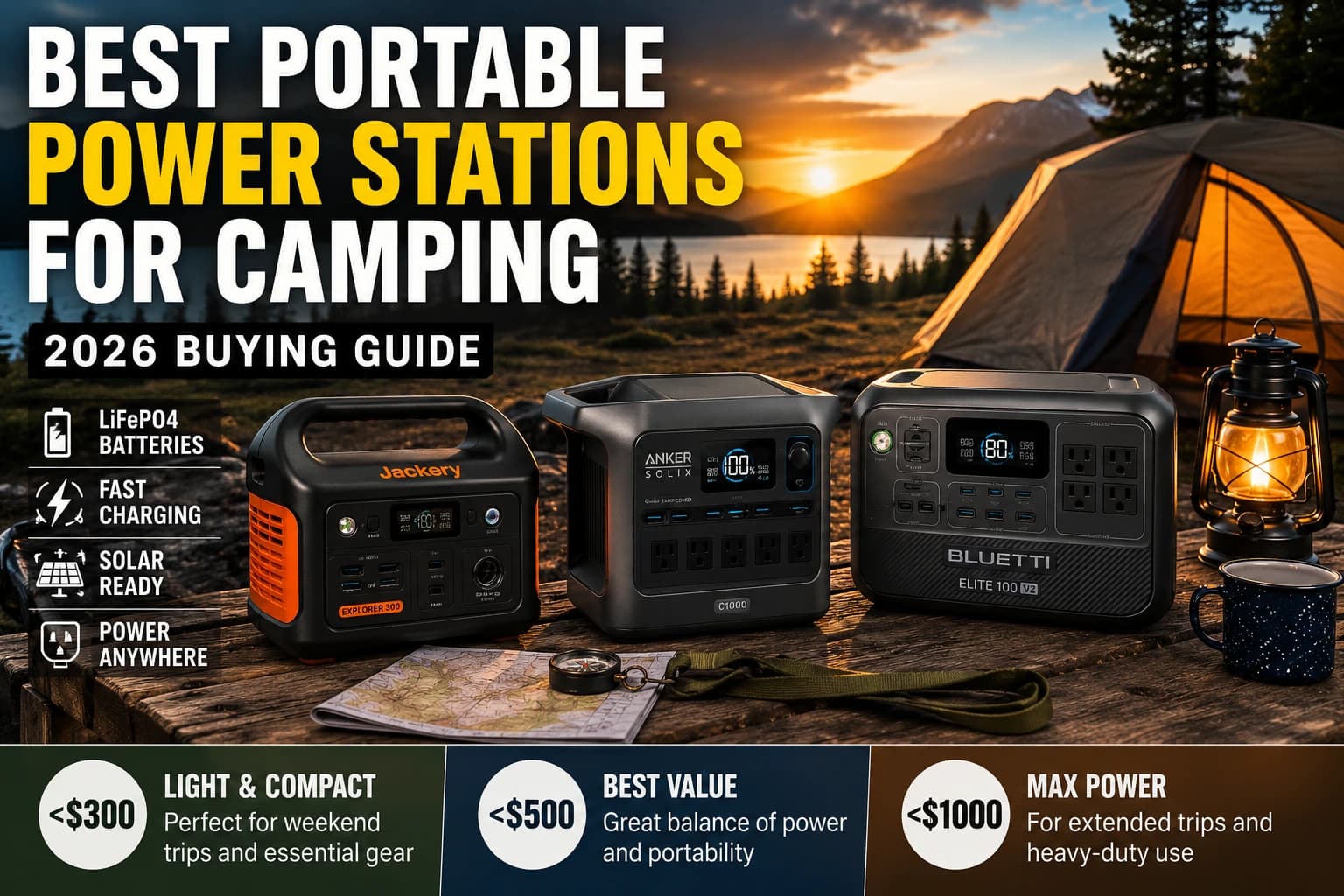
Camping off-grid once meant choosing between going without power or carrying a heavy, noisy gas generator.
The good news is that things have changed a lot. Today, even power stations under $300 can offer long-lasting LiFePO4 batteries, quick charging and powerful USB-C ports. For $500 to $1,000, you can step up to models that have enough power for camp fridges, coffee makers and even some tools during longer camping trips.
This guide covers three budget ranges: under $300, under $500 and under $1000. You will learn what each price range offers and which power station is best for your camping needs.
What Budget Should You Choose?
Under $300:
Best if you want light power for weekend tent camping, charging phones, laptops, camp lights, or running a 12V CPAP machine overnight.Under $500:
The best choice for most campers. You get around 500Wh to 1024Wh of capacity, 1000W+ inverters, fast charging and enough power to run 12V electric coolers.Under $1000:
Built for overlanders, van lifers and family RV trips. These stations offer 1000Wh to 2000Wh+ capacity, high solar input ratings and heavy-duty power output.
How We Are Judging These Power Stations ?
Before looking at the top picks, it helps to know what makes a good camping power station:
Battery Chemistry:
Older models used Lithium-ion (NMC), which lasted around 500 charge cycles. Modern 2026 units use LiFePO4 (Lithium Iron Phosphate), which lasts 3,000 to 4,000+ cycles—giving you over a decade of regular use.Watt-Hours (Wh) vs Inverter Wattage (W):
Watt-hours tell you how long the power station can run your devices. Wattage tells you which devices it can power.Recharge Speed:
The best stations recharge from 0% to 80% in under an hour via a wall outlet or accept high-wattage solar panels while you camp.Port Selection & Build Quality:
Having multiple AC outlets, high-output USB-C ports (100W+) and a rugged, weather-resistant casing makes a station versatile in the woods.
Best Portable Power Stations Under $300
At this price, you are looking at entry-level units designed for light travel. The under $300 category has upgraded to durable LiFePO4 cells and fast USB-C power delivery.
What to expect under $300:
Capacity around 200Wh to 300Wh
Continuous output between 200W and 600W
Lightweight builds weighing under 10 lbs
Enough ports for phones, tablets, cameras and drone batteries
1. Jackery Explorer 300
A classic compact station known for its reliability and lightweight design. It is easy to carry and charges quickly via wall or solar.
Best for: Minimalist tent campers and weekend trips.
Pros: Very light, whisper-quiet operation, intuitive interface.
Cons: Slower AC recharge compared to newer rival models.
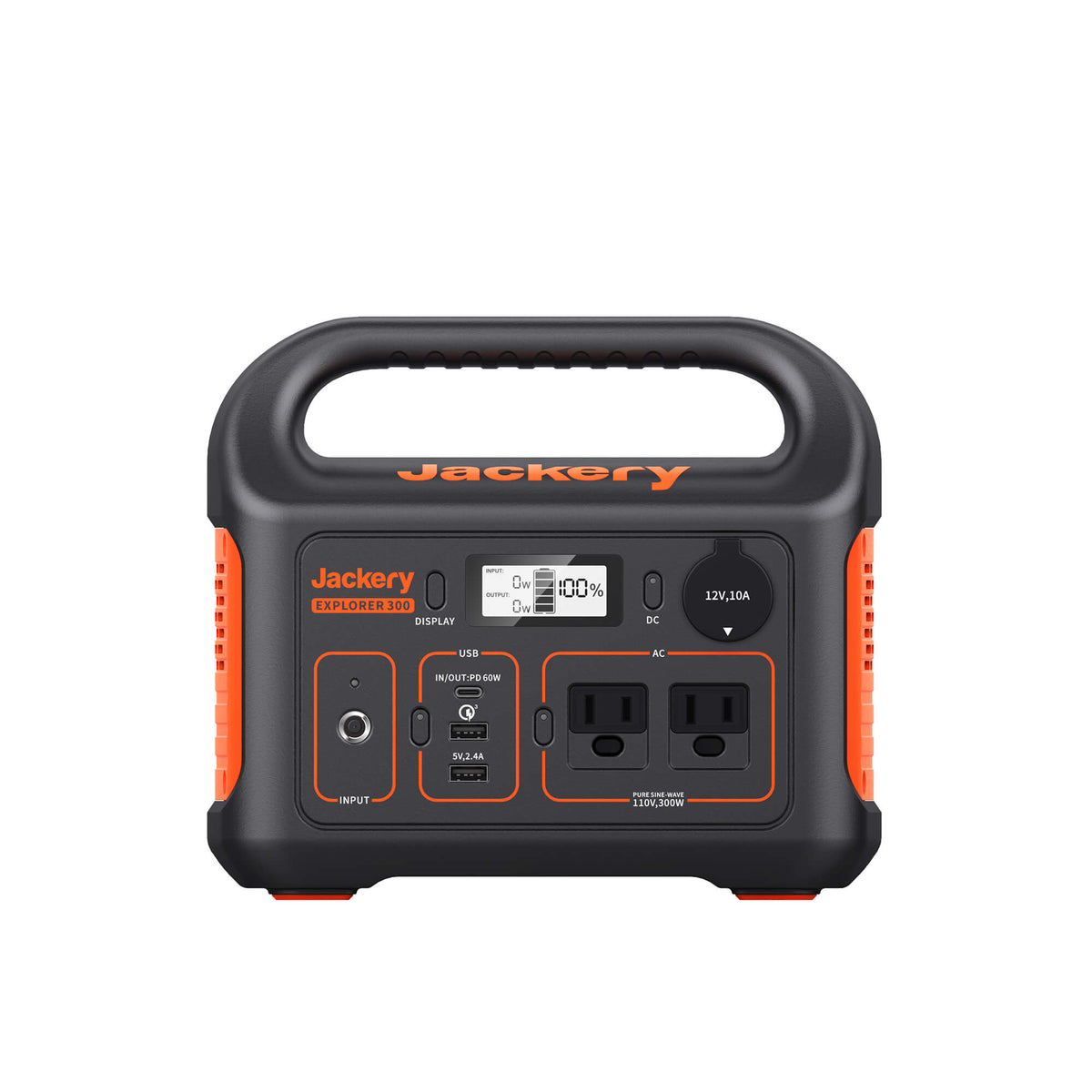
Jackery Explorer 300 portable power station
The Jackery Explorer 300 is a compact and reliable portable power station with 293Wh capacity, making it a great choice for camping, travel, emergencies and everyday backup power.
2. Anker Solix C300
Brings ultra-fast charging and high USB-C power output to the entry-level price point. Its compact design makes it easy to pack alongside camping gear.
Best for: Tech-heavy campers charging laptops and electronics.
Pros: High-output USB-C ports, fast recharging, durable LiFePO4 cells.
Cons: Limited AC outlet wattage for appliances.

Anker Solix C300 portable power station
The Anker Solix C300 is a compact portable power station designed for reliable backup power, camping and travel. Its portable design makes it easy to carry while providing convenient power for essential devices.
3. Bluetti Elite 30 V2
A value-focused power station with a compact footprint and solid inverter output for small 12V appliances and electronics.
Best for: Budget shoppers wanting solid output in a compact size.
Pros: Affordable price, sturdy carry handle, good port options.
Cons: Lower overall battery capacity.
Who this budget is for:
First-time campers, solo backpackers/car campers, or anyone needing emergency backup for phones, lighting and low-draw gear.
The trade-off:
Lower capacity means you cannot run high-draw appliances like coffee makers, microwaves, or large electric coolers.

Bluetti Elite 30 V2 portable power station
The Bluetti Elite 30 V2 is a compact portable power station built for convenient backup power, outdoor adventures and travel. Its lightweight design makes it easy to carry while keeping essential devices powered on the go.
Best Portable Power Stations Under $500
This is the sweet spot for most outdoor enthusiasts. Stations under $500 in 2026 offer expanded capacities (500Wh–1024Wh) and powerful inverters that handle high-draw gear.
What to expect under $500:
Capacity between 500Wh and 1024Wh
Inverter output from 800W up to 2400W peak surge
Rapid AC recharging (0–80% in 45–60 minutes)
Compatibility with 12V portable camp fridges
1. Anker Solix C1000 Gen 2
A top recommendation in the 1kWh class. It packs 1024Wh capacity into a manageable chassis with fast charging speeds.
Best for: Overall camping value and multi-device power.
Pros: Excellent power-to-weight ratio, ultra-fast charging, durable unibody build.
Cons: Fan noise increases slightly under maximum electrical load.

Anker Solix C1000 Gen 2 portable power station
The Anker Solix C1000 Gen 2 is a powerful portable power station designed for home backup, camping and outdoor use. It offers reliable power in a compact design, making it ideal for running essential devices wherever you need them.
2. EcoFlow River 2 Pro
Features ultra-fast charging, high surge wattage capability and a sleek companion app for monitoring power draw at camp.
Best for: Campers who want fast solar and wall recharging.
Pros: Charges completely in about 70 minutes, easy mobile app control, compact footprint.
Cons: 768Wh capacity is slightly smaller than some 1kWh competitors.
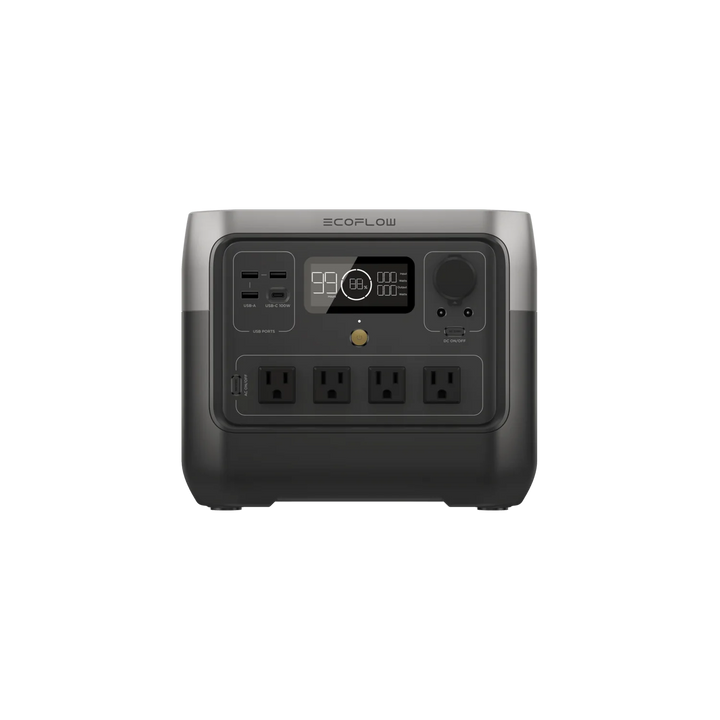
EcoFlow River 2 Pro portable power station
The EcoFlow River 2 Pro is a versatile portable power station designed for camping, travel and home backup. Its reliable power output and portable design make it a convenient choice for keeping essential devices charged wherever you go.
3. Pecron E1500LFP
A value-oriented station that offers higher capacity and output than most competitors in its price range.
Best for: High-capacity power on a budget.
Pros: High watt-hour rating for the price, robust inverter output.
Cons: Bulkier build and basic display interface.
Who this budget is for:
Weekend car campers, family trips and outdoor enthusiasts who want to run 12V fridges, camp lights and small kitchen tools.
The trade-off:
Units weigh between 15 and 28 lbs, making them strictly car-camping or truck-camping equipment rather than backpacking gear.

Pecron E1500LFP portable power station
The Pecron E1500LFP is a powerful portable power station designed for home backup, camping and outdoor adventures. Its reliable LiFePO4 battery and durable design provide convenient power for essential devices wherever you need it.
Best Portable Power Stations Under $1000
When you spend up to $1000, you enter the professional-grade tier. These stations are designed for extended off-grid living, overlanding and heavy appliance usage.
What to expect under $1000:
Capacity from 1000Wh to over 2000Wh
Continuous inverters rated for 1500W to 2400W+
High-capacity solar inputs (400W to 800W+) for true off-grid independence
Expandable battery options for growing power needs
1. Jackery Explorer 2000 v2
A heavy-duty power station that balances large capacity (2042Wh) with a manageable form factor for high-power demands.
Best for: Multi-day off-grid camping and overlanding.
Pros: Massive capacity, clean output, easy solar panel pairing.
Cons: Higher upfront cost outlay.
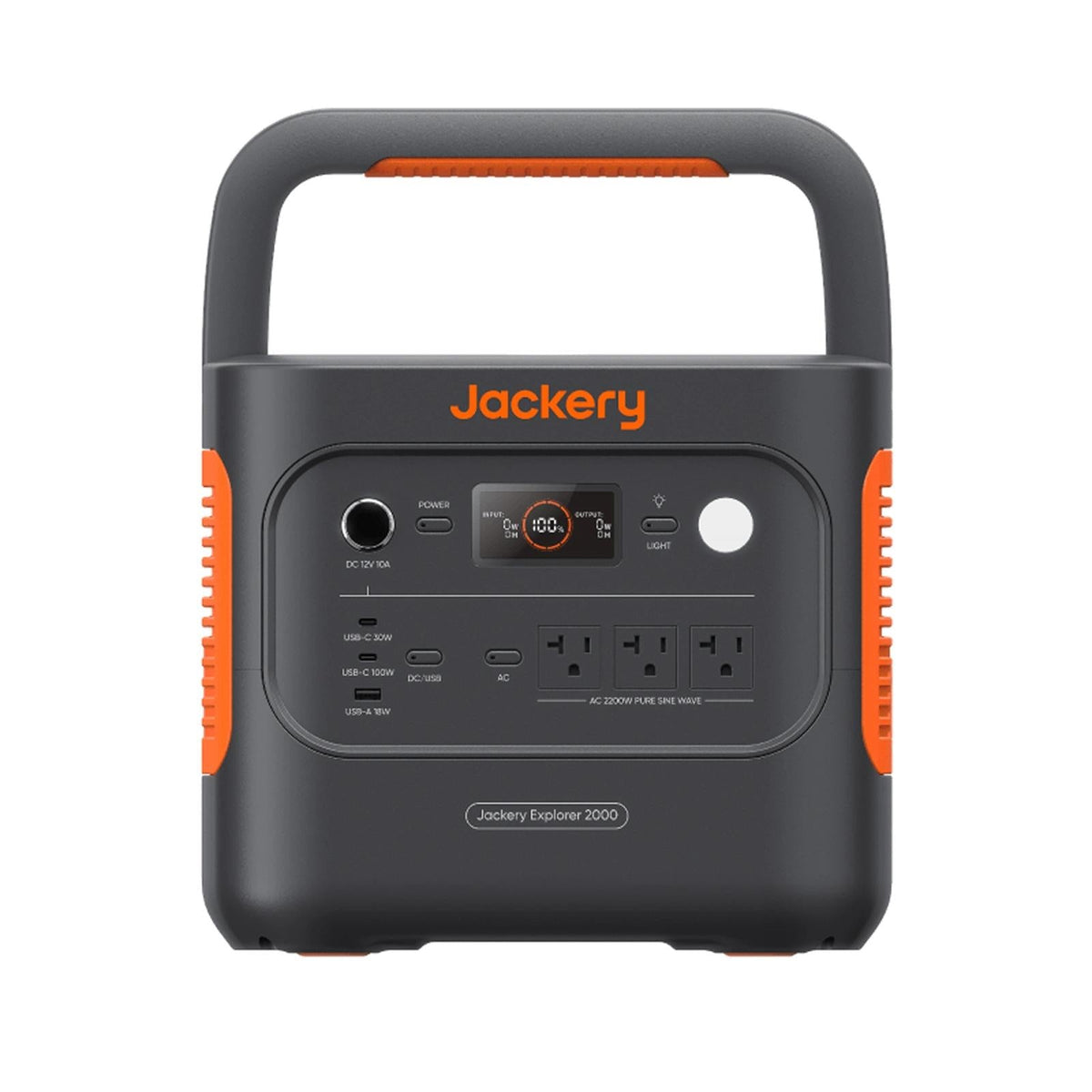
Jackery Explorer 2000 V2 portable power station
The Jackery Explorer 2000 V2 is a powerful portable power station designed for home backup, camping and outdoor use. Its high-capacity battery and reliable power output make it ideal for running essential devices during outages or off-grid adventures.
2. EcoFlow Delta 3 / Delta 3 Plus
Built with high solar input ratings and fast AC charging, this station can expand its capacity with extra battery packs.
Best for: Expanding off-grid setups and RV integration.
Pros: Rapid recharge rates, modular expansion, strong surge protection.
Cons: Accessories and extra batteries add to the overall cost.
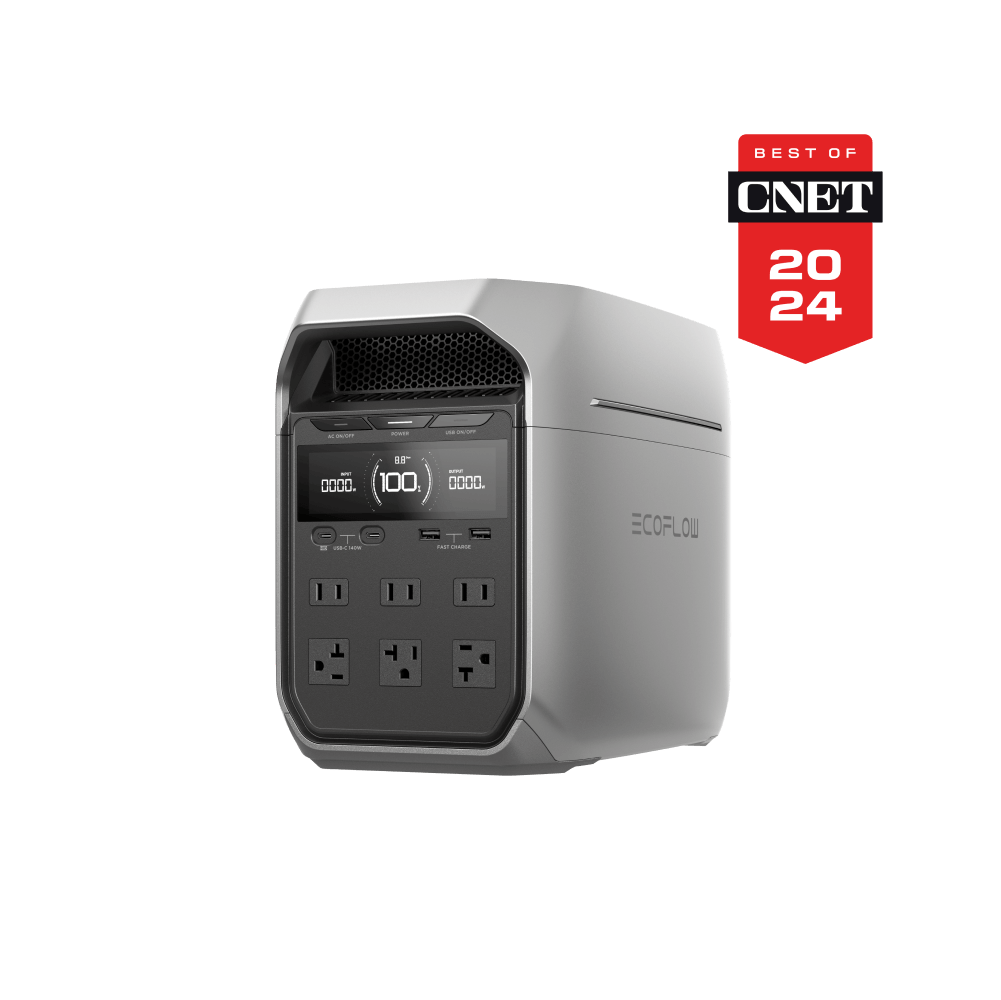
EcoFlow Delta 3 / Delta 3 Plus portable power station
The EcoFlow Delta 3 and Delta 3 Plus are powerful portable power stations designed for home backup, camping and outdoor use. They offer reliable energy, fast charging and versatile power options for keeping essential devices running.
3. Bluetti Elite 100 V2
Delivers exceptional battery efficiency and quiet operation, making it a peaceful addition to quiet campsites.
Best for: Efficient solar harvesting and quiet camp power.
Pros: High round-trip efficiency, quiet fans, rugged build.
Cons: Heavier than mid-range alternatives.

Bluetti Elite 100 V2 portable power station
The Bluetti Elite 100 V2 is a versatile portable power station designed for home backup, camping and outdoor use. Its powerful battery and reliable performance provide convenient energy for essential devices during outages or off-grid adventures.
4. Goal Zero Yeti 1500
Features modern LiFePO4 chemistry inside a premium chassis built to handle harsh outdoor elements.
Best for: Rugged overland conditions and long-term durability.
Pros: Very durable exterior, high solar input capacity, clear port lighting.
Cons: Premium price point for its capacity bracket.
Who this budget is for:
Serious off-grid campers, RV owners, overlanders and anyone running high-draw camp kitchens, induction cooktops, or CPAP machines for a week straight.
The trade-off:
Weight increases to 30–50 lbs. These units require dedicated storage space in your vehicle trunk or truck bed.
Goal Zero Yeti 1500 portable power station
The Goal Zero Yeti 1500 is a powerful portable power station designed for home backup, camping and outdoor adventures. Its high-capacity battery provides reliable power for essential devices when you need convenient energy on the go.
Portable Power Station Comparison at a Glance
Safety & Maintenance Reminders Before You Camp
Keep it out of direct rain: While some units feature rubber port covers, most power stations are not fully waterproof. Keep your station in a shaded, covered area.
Avoid extreme heat in vehicles: Leaving a lithium battery inside a locked, hot car in direct sunlight can cause thermal stress or trigger safety shutoffs.
Store at 50% charge when not in use: If storing your power station for the winter, keep it charged between 50–80% rather than leaving it empty or full.
Check solar panel specs: Always verify the maximum voltage input (V) of your power station before connecting third-party solar panels.
Final Thoughts
Choosing the right portable power station depends on your camping style, gear power draw and trip duration. If you need a light unit for charging phones and lights on weekend trips, an entry-level pick like the Jackery Explorer 300 gets the job done without breaking the bank. For standard car camping, a $500 station like the Anker Solix C1000 Gen 2 delivers the best balance of capacity, fast charging and price. If you are embarking on extended overlanding trips or running heavy camp kitchen gear, stepping up to a $1000 station like the Jackery Explorer 2000 v2 provides complete off-grid independence.
Frequently Asked Questions
A: If your goal is charging phones, headlamps, tablets and running a small camp fan overnight, a station under $300 is completely sufficient. However, if you plan to run a 12V electric cooler or cook with electric appliances, saving for a $500 station with 500Wh+ capacity will prevent early battery exhaustion.
A: LiFePO4 (Lithium Iron Phosphate) batteries last around 3,000 to 4,000 full charge cycles before dropping to 80% capacity, compared to ~500 cycles for traditional Lithium-ion (NMC). LiFePO4 is also safer and more thermally stable.
A: A typical 12V compressor cooler draws roughly 30 to 40 Watts while active, but only cycles on about 50% of the time. On a 500Wh battery, you can expect a 12V fridge to run for roughly 15 to 20 hours continuously depending on ambient temperature.
A: Yes, most modern stations support "pass-through charging." This allows you to harvest power from solar panels during the daytime while simultaneously powering your devices or camp cooler.
A: Check your CPAP machine's wattage rating (usually 30W–60W). If using a 12V DC converter adapter instead of the AC wall plug, power draw drops significantly. A 300Wh power station can run a CPAP on DC power for 1 to 2 nights, while a 500Wh–1000Wh station will handle 3 to 5 nights effortlessly.