
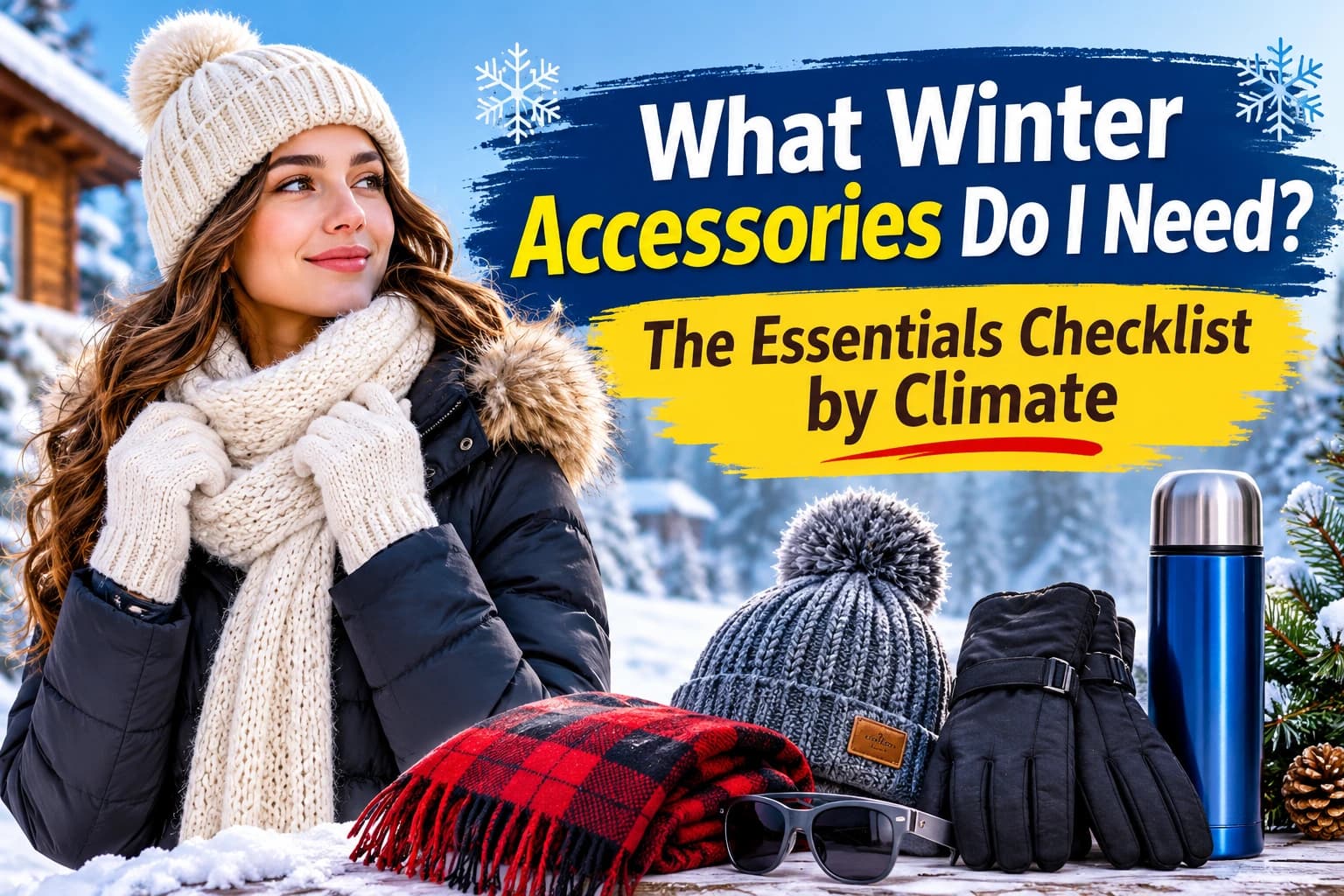
Every winter, we face the same problem: finding warm clothes and the right accessories to stay comfortable.
So, what winter accessories do you really need? From gloves and scarves to warm hats and socks, this guide covers the must-have items, useful extras and simple tips to help you stay warm, choose wisely and prepare for the cold season without spending too much.
Why Winter Accessories Matter More Than You Think
Your body loses warmth fastest where blood vessels sit close to the surface and where skin is exposed: head, neck, hands and feet. A good coat helps, but a coat with bare hands and a bare neck still leaves you cold. Accessories are the cheapest way to fix that and they are easy to adjust through the day as the temperature changes.
They also let you wear fewer bulky layers. A thin hat and gloves often feel warmer than a heavier jumper.
Here is your ready-to-publish blog content for all 5 Cotswold Outdoor products. I've written it in simple, natural English with a short description, 3 pros and 2 cons for each product.
5 Best Winter Accessories to Stay Warm and Comfortable
1. Ayacucho Men's T-Stretch Gloves
Best for: Everyday winter use.
Comfortable stretch gloves with touchscreen compatibility, making them useful for daily activities in cold weather.
Pros
Stretchy and comfortable fabric.
Touchscreen-compatible.
Clip keeps gloves together.
Cons
Limited warmth in extreme cold.
Not suitable for heavy rain.
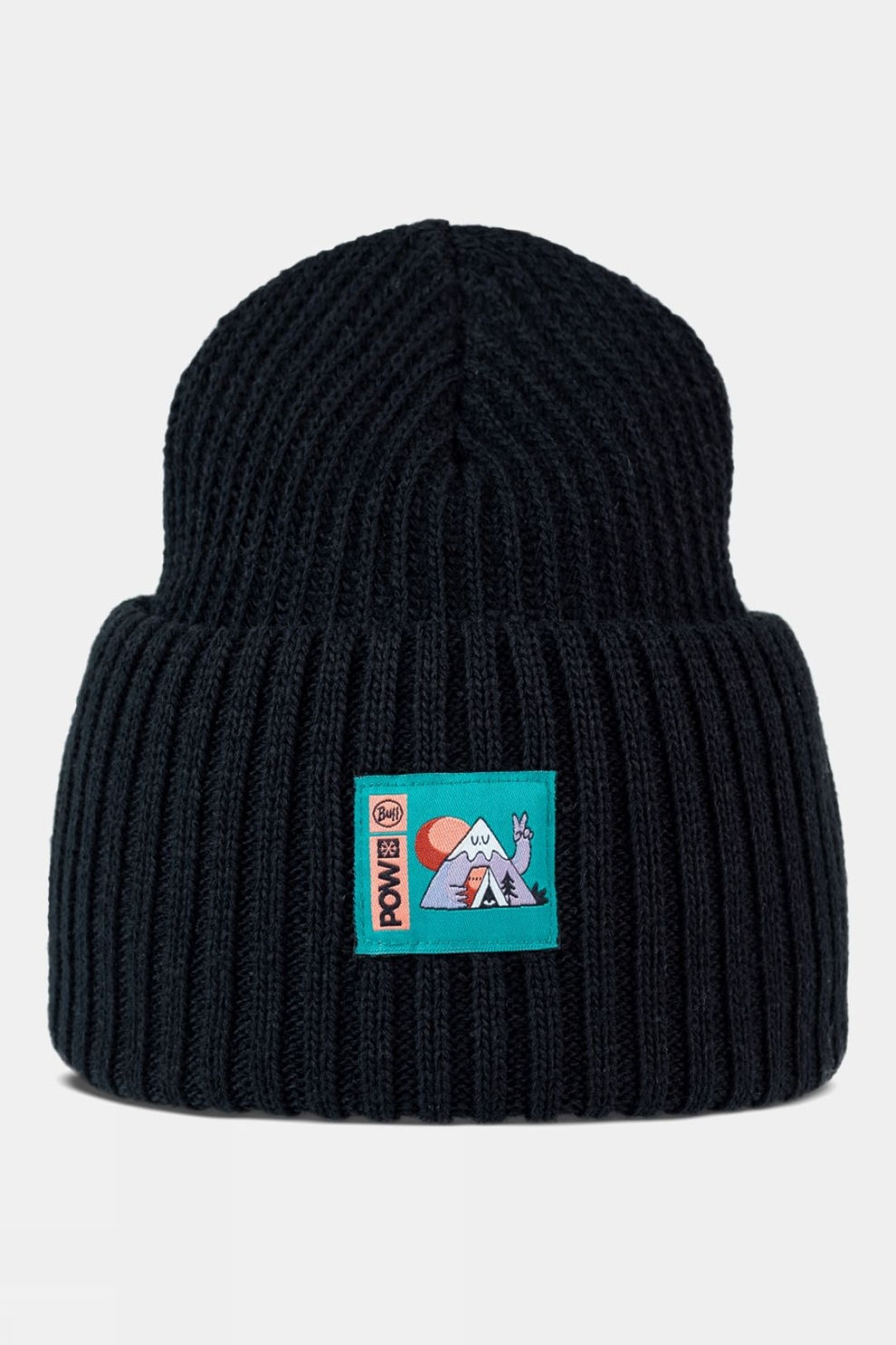
Buff Unisex Rutger Beanie
Keep your head warm during cold-weather outings with the Buff Rutger Beanie. Its comfortable winter design makes it a useful accessory for everyday wear and outdoor adventures.
2. Buff Unisex Rutger Beanie
Best for: Keeping your head warm.
A stylish and comfortable beanie for everyday winter wear, outdoor walks and cold-weather trips.
Pros
Comfortable for daily use.
Classic, versatile design.
Great for outdoor activities.
Cons
Limited warmth in extreme cold.
Not suitable for heavy rain.
Buff Unisex Rutger Beanie
Keep your head warm during cold-weather outings with the Buff Rutger Beanie. Its comfortable winter design makes it a useful accessory for everyday wear and outdoor adventures.
3. Buff Thermonet Neckwear
Best for: Neck protection in cold weather.
Lightweight and breathable neckwear that adds warmth without feeling bulky. Ideal for winter walks and outdoor activities.
Pros
Lightweight and portable.
Provides warmth without bulk.
Breathable and flexible.
Cons
Mainly covers the neck.
May need extra layers in extreme
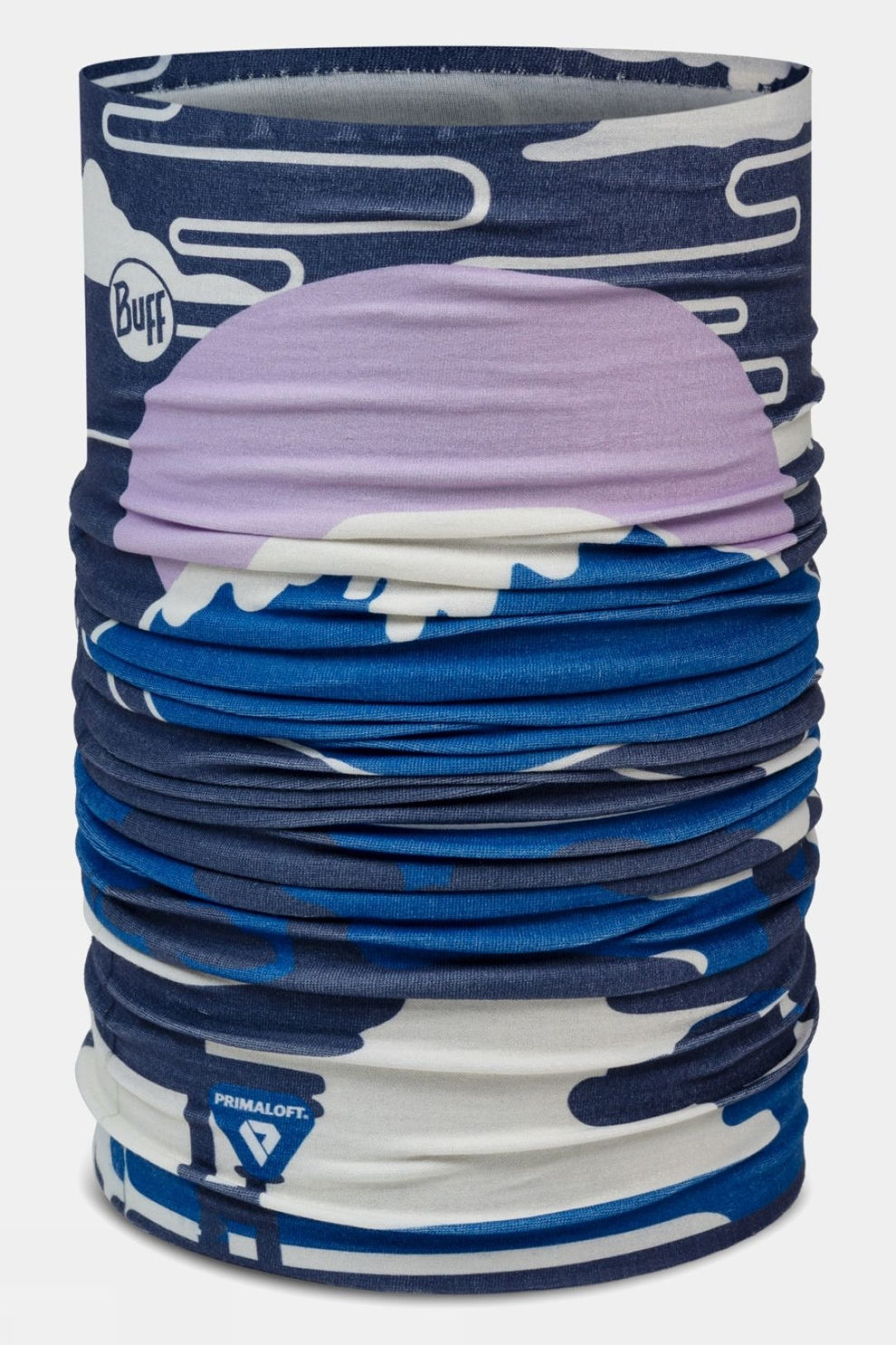
Buff Thermonet Neckwear
Add an extra layer of warmth with Buff Thermonet Neckwear. This versatile winter accessory helps protect your neck during cold-weather walks, travel and outdoor activities.
4. Ayacucho No Wind Balaclava
Best for: Extra face and head coverage.
A practical winter accessory that covers your head and face, helping protect against cold and windy weather.
Pros
Covers head and face.
Useful in windy conditions.
Available in different sizes.
Cons
Can feel too warm in mild weather.
Less convenient than a regular beanie.
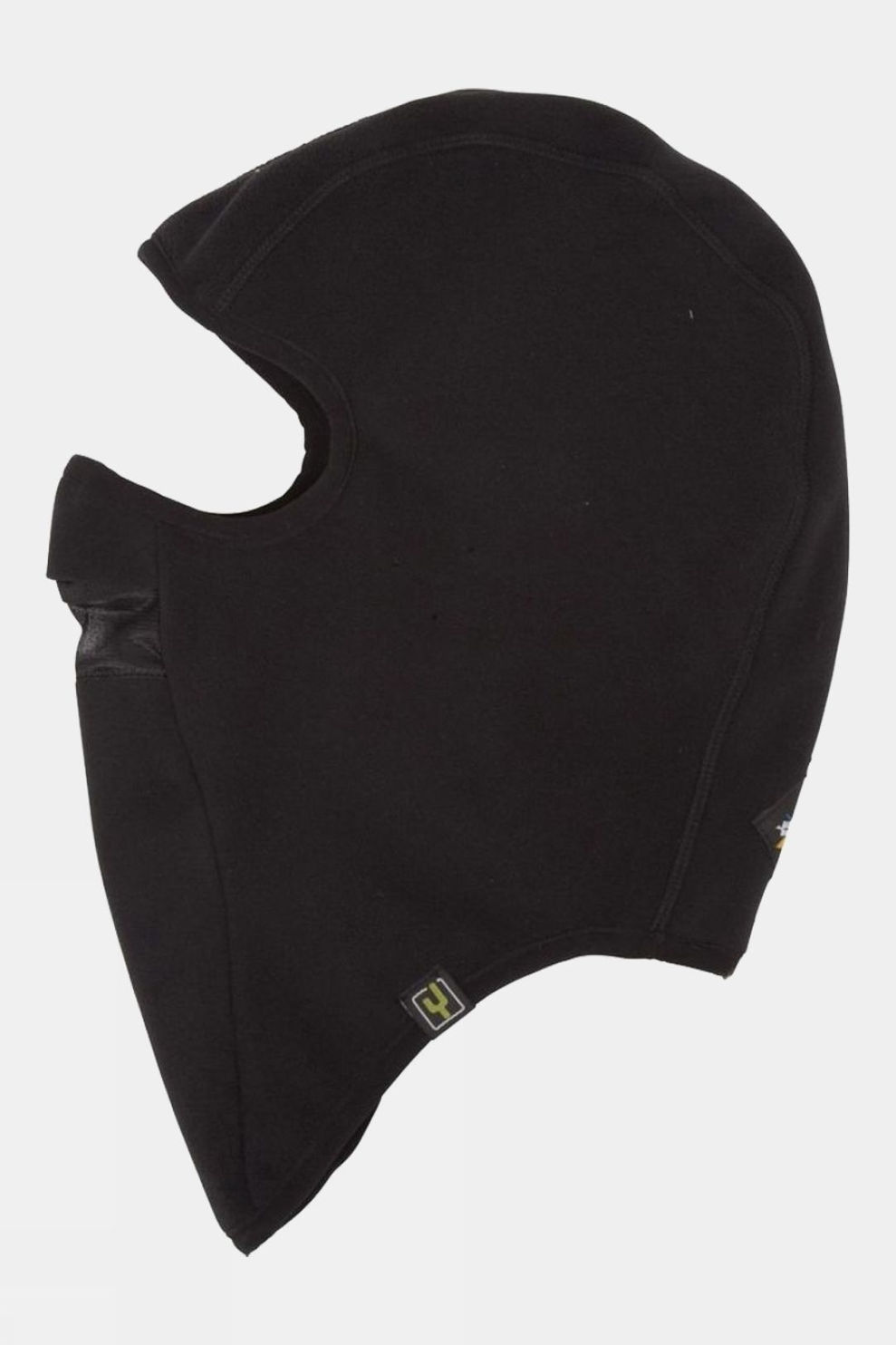
Ayacucho No Wind Balaclava
Protect your face and head from chilly outdoor conditions with the Ayacucho No Wind Balaclava. It is a practical winter accessory for cold-weather walks and outdoor adventures.
Situational Winter Accessories (Buy Only If You Need Them)
Earmuffs: great if hats flatten your hair or feel itchy and easy to wear over a hood.
Balaclava: warm head and neck protection in one piece. Worth it for very cold, windy weather or winter sports.
Sunglasses: low winter sun and glare off wet roads or snow are real. Many people forget these.
Lip balm and hand cream: cold air dries skin quickly, so these are small but useful additions.
Traction aids: slip-on grips for icy paths, helpful for walkers and runners in freezing climates.
Thermal base layers: not strictly an accessory, but a thin thermal top and leggings under your clothes often beat adding another jumper.
Hand and foot warmers: disposable heat packs for long days outdoors.
Your Winter Accessories Checklist by Climate
Mild winter (roughly 10°C / 50°F and above)
Light scarf
Thin gloves
Beanie for mornings and evenings
Regular boots or closed shoes
Cold winter (around 0 to 10°C / 32 to 50°F)
Warm beanie
Insulated gloves
Wool scarf or neck gaiter
Thick wool socks
Insulated, water-resistant boots
Freezing and snowy (below 0°C / 32°F)
Lined hat or hat plus earmuffs
Waterproof insulated gloves or mittens, plus a thin liner pair
Neck gaiter, snood or balaclava
Merino wool socks
Waterproof insulated boots with traction
Sunglasses and traction aids
What to Spend On and What to Skip
Worth spending more on: boots, gloves and socks. These do the hardest work and quality shows up in warmth and durability. A decent pair of wool socks or well-made boots can last several winters.
Fine to buy cheaply: scarves and basic beanies. A plain knit scarf warms you just as well as a pricey one. Spend more only if you want a statement piece.
Smart buying tip: shop early in the season for the best range of sizes and colours or look for end-of-season sales if you're planning ahead.
Match Your Accessories to Your Lifestyle
The checklist changes depending on your routine:
Daily commuters: leather or touchscreen gloves, a scarf you can remove indoors and comfortable weatherproof shoes.
Walkers and runners: a thin hat or headband, breathable gloves, a neck gaiter and reflective gear for dark mornings.
Cyclists: windproof gloves, a thin cap under your helmet and overshoes for wet roads.
Parents: mittens on a string or clip, spare hats and socks and a backup pair of gloves in the bag.
Work from home: you may need only a hat, gloves and a scarf for short outings, plus warm indoor socks.
How to Make Your Accessories Last
Wash wool on a gentle cycle or by hand and dry flat.
Rotate gloves and socks so they dry fully between wears.
Store knitwear in breathable bags over summer to protect it from moths and damp.
Keep a spare pair of gloves and a hat in your bag or car.
Common Mistakes to Avoid
Buying cotton for serious cold, since it holds moisture.
Choosing style over fit. A hat that doesn't cover your ears won't help much.
Skipping socks and boots while spending heavily on a scarf.
Wearing tight boots with thick socks, which cuts circulation.
Waiting until the first freeze to shop.
Final Thoughts
So, what winter accessories do you need? Start with the five essentials: hat, gloves, scarf or gaiter, thick socks and the right footwear. Then add extras only where your climate or lifestyle demands them. Invest in the items that do the heavy lifting, keep the rest simple and you'll stay warm without overspending.
Ready to get kitted out? Browse our winter collection or save this checklist so it's on your phone the next time you go shopping.
Frequently Asked Questions
A warm hat, gloves or mittens, a scarf or neck gaiter, thick socks and suitable boots. These cover the areas where you lose comfort fastest.
Often yes. A coat leaves your neck and upper chest exposed and a scarf is the easiest way to close that gap. If you dislike scarves, a neck gaiter or a coat with a high collar can do the same job.
Mittens are generally warmer because your fingers share heat. Gloves give better dexterity. For extreme cold, many people wear thin gloves under mittens.