
Wondering what vitamins you should take daily? You may not need a lot of supplements to stay healthy. What you need can depend on your diet, age, lifestyle and overall needs.
Some people may need extra nutrients, while others can get enough from everyday foods. This simple guide explains which vitamins and nutrients are worth knowing about and when a supplement may be useful.
Do You Really Need a Daily Vitamin?
Not everyone needs a daily vitamin or multivitamin. If you eat a balanced diet with fruits, vegetables, whole grains and protein, you may already get many of the nutrients your body needs.
Supplements can be helpful when your diet or lifestyle leaves a nutritional gap. The goal is not to take more vitamins, but to take what you actually need.
Your Diet Comes First
Food is the best place to start when it comes to getting vitamins and minerals. A balanced diet gives you a mix of nutrients that supplements cannot fully replace.
Before choosing a supplement, ask yourself:
Do I eat a balanced diet?
Do I avoid certain foods or food groups?
Do I rarely eat foods that provide a specific nutrient?
Have I been told that I have a nutrient deficiency?
These simple questions can help you understand whether you really need a supplement or can get what you need from food.
Vitamins and Nutrients to Know
You do not need to remember every vitamin and mineral. These are some of the nutrients people commonly pay attention to when planning their diet or choosing supplements.
Vitamin D
Vitamin D helps support healthy bones, muscles and normal immune function. If you get little sun or do not eat many foods with vitamin D, you may need to pay more attention to your intake.
Vitamin B12
Vitamin B12 helps keep your nerves and red blood cells healthy. It is especially important to pay attention to B12 if you follow a vegan or vegetarian diet or are over 50.
Omega-3
Omega-3 is a healthy fat, not a vitamin. You can get it from fatty fish such as salmon and sardines. If you rarely eat fish, an omega-3 supplement may be an option to consider.
Magnesium
Magnesium helps support normal muscle and nerve function. Good food sources include nuts, seeds, beans, whole grains and leafy green vegetables.
Folate
Folate helps your body make new cells and is especially important during pregnancy. If you are pregnant or planning to become pregnant, talk with a healthcare professional about your folate and folic acid needs.
Which Supplements May Matter Based on Your Needs?
The right supplement can depend on your diet and lifestyle. Here are a few common situations where certain nutrients may need extra attention:
Your Situation | Nutrient to Consider |
You follow a vegan or vegetarian diet | B12 |
You get little sun exposure | Vitamin D |
You rarely eat fatty fish | Omega-3 |
You are pregnant or planning pregnancy | Folate |
You are over 50 | B12 |
These are only general examples. You do not automatically need a supplement just because you fit one of these situations. Your diet and individual needs matter too.
Who May Need Extra Nutrients?
Some people may need to pay more attention to certain nutrients. This can include people who:
Follow a restricted diet
Avoid certain food groups
Are pregnant or planning pregnancy
Are older adults
Have a known nutrient deficiency
Your needs can also change over time. Changes in your diet, lifestyle or life stage may mean you need to look at your nutrient intake again.
Who May Not Need a Daily Supplement?
If you eat a balanced diet and do not have a known nutrient gap, you may not need a daily supplement.
Instead of asking, “What vitamins should I take?”, it may be more helpful to ask:
“What nutrients might I be missing?”
This simple approach can help you focus on what your body may actually need and avoid taking supplements you do not need.
Multivitamins
A multivitamin can be a convenient option if your diet has gaps. But it should not replace healthy meals.
Check the Supplement Facts label before buying one. Look at the dose and make sure you are not doubling up on the same nutrients from different products.
A Simple Daily Multivitamin Option
A basic daily multivitamin can be useful for people who want a simple way to cover several nutrients in one supplement. Look for a product with clear ingredient amounts and reasonable doses rather than a formula with unnecessarily high amounts.
Why consider it:
Combines several vitamins in one product
Simple option for a busy daily routine
Easy to compare doses on the label
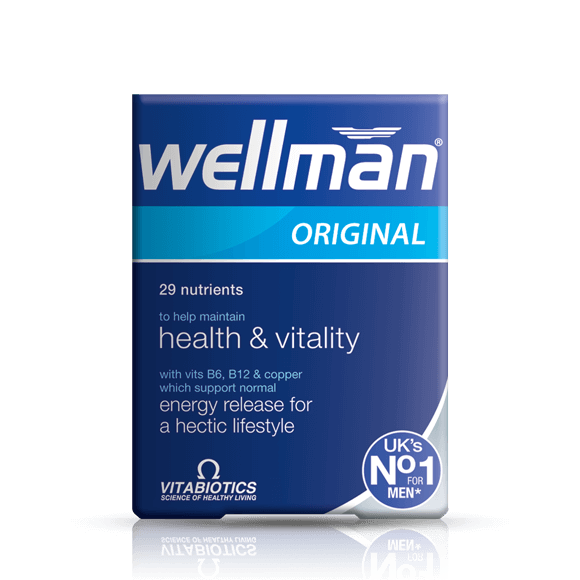
Multivitamins: A Simple All-in-One Option
A multivitamin can be a convenient choice if you want to cover several nutrients in one daily supplement. It can help fill some gaps in your diet, but it should not replace a balanced diet.
More Vitamin Deals
Want to compare more options? Visit our store to find additional vitamin and supplement products, including selected deals and discounts. Compare the ingredients, serving size and price before choosing what works for you.
Vitamins You Should Be Careful With
More is not always better when it comes to vitamins and minerals.
Taking too much of some nutrients can cause problems, especially if you use several supplements at the same time. Always check the label and avoid high doses unless there is a clear reason for taking them.
If you take medication, are pregnant or have a health condition, talk with a healthcare professional before starting a new supplement.
How to Choose a Good Supplement
Not all supplements are the same. Before buying one, check the label and look for:
A clear list of ingredients
Reasonable amounts of each nutrient
Quality or third-party testing, when available
No unnecessary added ingredients
A formula that fits your actual needs
Try not to choose a supplement just because it is popular or has a lot of ads. Focus on what is inside the bottle and whether it makes sense for you.
Ways to Save on Supplements
You do not need a cabinet full of supplements.
Compare the cost per serving, look for simple formulas and use discounts or coupons when available. Most importantly, only spend money on supplements that serve a real purpose for you.
Simple Starter Routine
You do not need a complicated supplement routine. Start with these simple steps:
Start with your everyday diet.
Think about any nutrients you may be missing.
Consider your age, lifestyle and diet.
Choose a supplement only when you have a clear reason.
Check the label before combining different products.
There is no need to start with several supplements at once. Keep it simple and focus on what you actually need.
Key Takeaways
There is no single list of vitamins that everyone needs every day.
Your needs can depend on your diet, age and lifestyle.
Vitamin D, B12, omega-3, magnesium and folate are important nutrients to know about.
Food comes first. Supplements are meant to fill gaps, not replace a healthy diet.
Final Thought
Taking vitamins does not have to be complicated. Start with a balanced diet, think about any nutrients you may be missing, and choose supplements for a clear reason.
A simple routine that fits your needs is easier to understand, easier to follow and less likely to include supplements you do not need.
Frequently Asked Questions
Some supplements can be combined, but check the labels first. Different products may contain the same nutrients.
It depends on the supplement. Some are easier to take with food, so follow the product directions for the best timing.
It varies by nutrient and your individual needs. If you are correcting a deficiency, a healthcare professional can help track your progress.