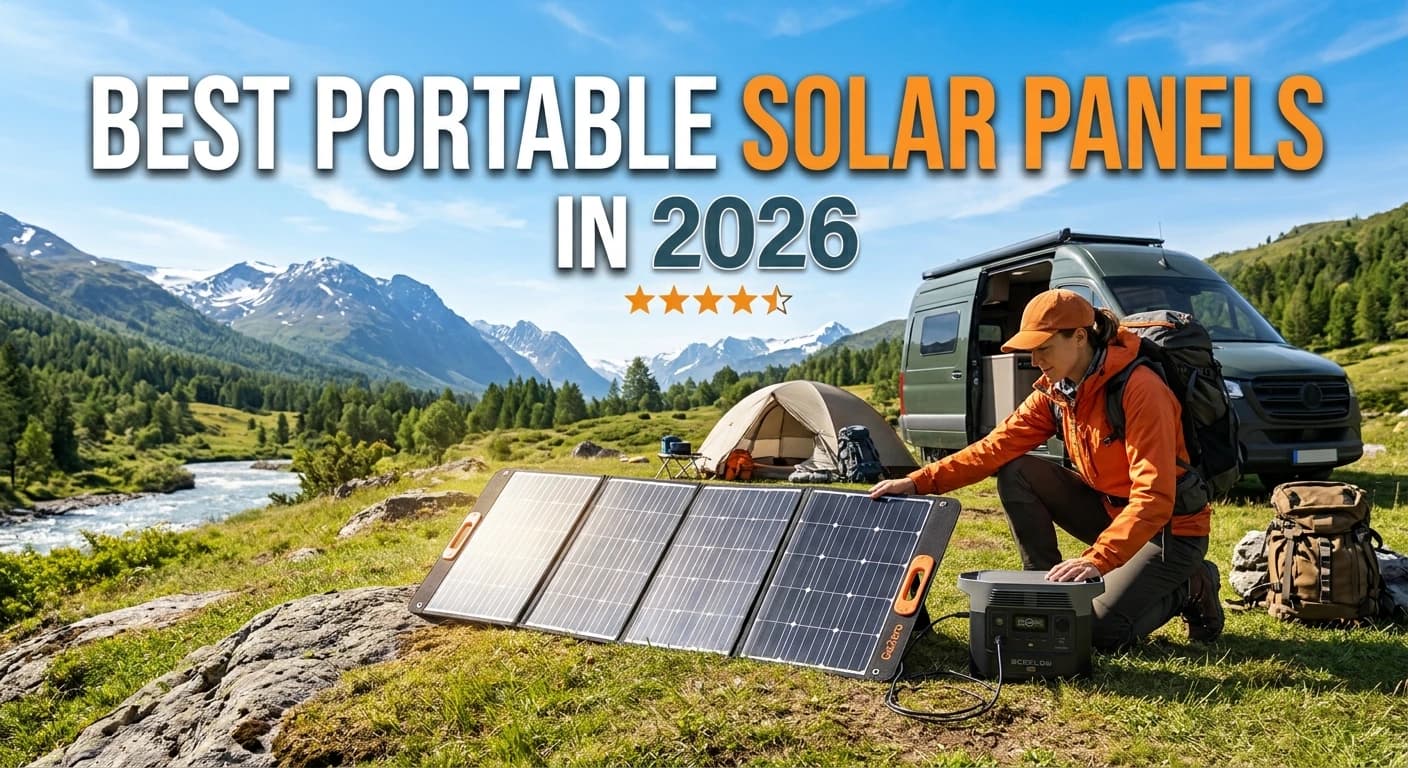
Best Portable Solar Panels in 2026: Top Picks, Features & Buying Guide
Portable solar panels offer a practical way to generate electricity outdoors, recharge portable power stations, and prepare for unexpected power outages. Whether you enjoy camping, travel in an RV, or need a portable energy solution for everyday essentials, the right solar panel can make a difference.
However, not every solar panel suits every situation. Some models prioritize portability, while others focus on higher output, durability, or value for money. In this guide, we explain how to choose a portable solar panel, what features matter most, and three ALLPOWERS solar generator kits worth comparing.
Which Portable Solar Setup Is Right for You?
Before comparing products, consider your main requirements:
Camping and road trips: Look for foldable panels that are easy to transport and set up.
Backpacking: Choose a lightweight solar charger for small devices such as phones and GPS units.
RV and off-grid use: Consider higher-wattage panels that are compatible with a suitable power station.
Emergency backup: A solar panel paired with a battery power station can help keep selected devices running during outages.
Budget-conscious buyers: Compare the total price, actual charging performance, warranty, and included accessories instead of focusing on wattage alone.
What Are Portable Solar Panels?
Portable solar panels turn sunlight into electricity and can charge compatible power stations, batteries, and small devices.
Unlike rooftop panels, they are easy to move and great for camping, travel, and outdoor activities. Many foldable models are simple to carry and set up.
Remember, solar panels generate electricity, while power stations store it for later use. If you need power after sunset, a battery or power station can help.
Three ALLPOWERS Solar Generator Kits to Consider
The following products combine a portable power station with a compatible solar panel. They are options to compare rather than independently tested rankings.
1. ALLPOWERS R1500 Solar Generator Kit: Best for Everyday Portable Power
The ALLPOWERS R1500 kit is an option for people who want a portable power station with solar charging capability. It may be useful for selected household electronics, outdoor activities, and backup power needs.
Pros:
Supports solar charging for off-grid use.
Useful for outdoor activities and occasional backup power.
Can power compatible devices within its rated limits.
Cons:
Performance depends on sunlight and solar panel wattage.
May not support high-power appliances or long backup periods.
Best For: Outdoor activities, solar charging, and occasional home backup power.
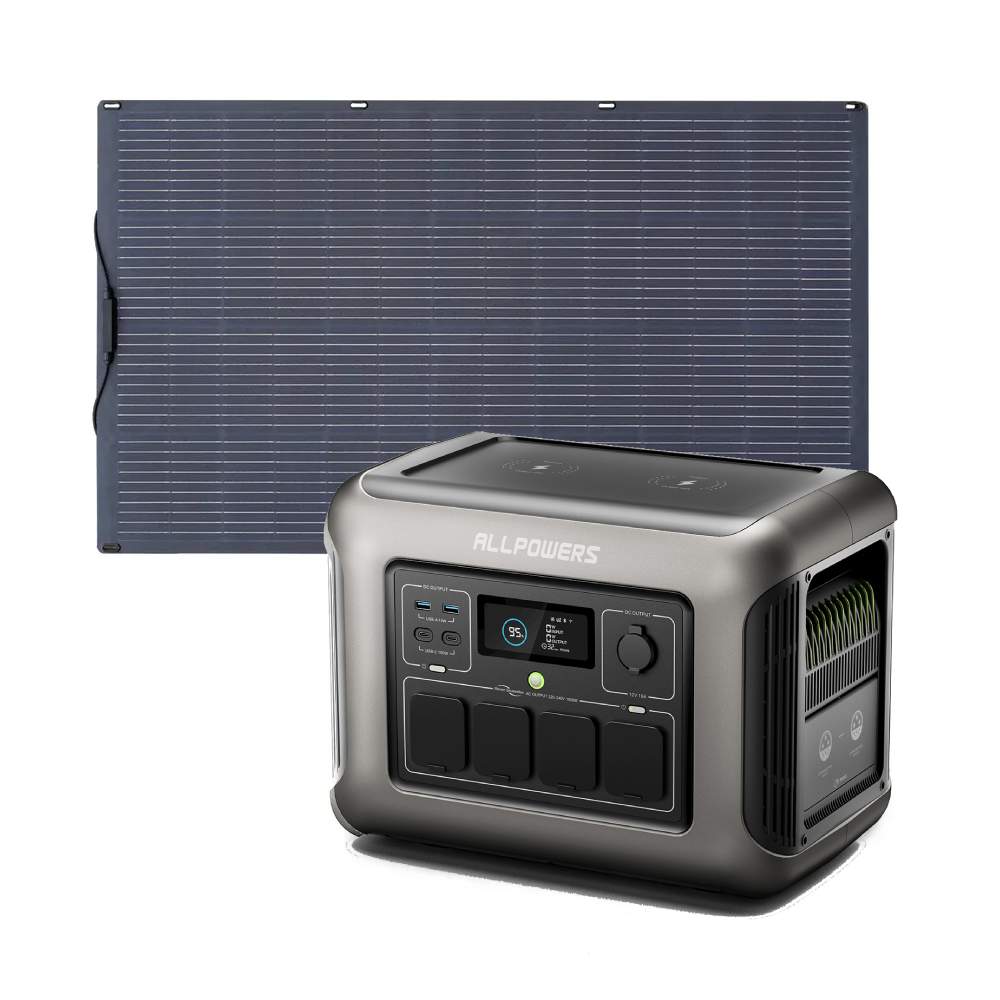
Best ALLPOWERS Solar Generator Kits to Consider
Explore three ALLPOWERS solar generator kits for reliable backup power, outdoor adventures, and off-grid use. Compare their features to find the right option for your energy needs.
2. ALLPOWERS S2000 Pro Solar Generator Kit: Best for Higher-Power Requirements
The ALLPOWERS S2000 Pro is designed for buyers who need a higher-output portable power station. The model is listed with a 1,451Wh battery capacity and a rated output of up to 2,400W.
Pros:
High rated output of up to 2,400W.
1,451Wh battery capacity for compatible devices.
Supports solar charging for outdoor and backup use.
Cons:
Runtime depends on the power consumption of connected devices.
May be expensive compared with lower-capacity portable power stations.
Best For: Camping, powering multiple compatible devices, and selected home backup needs.
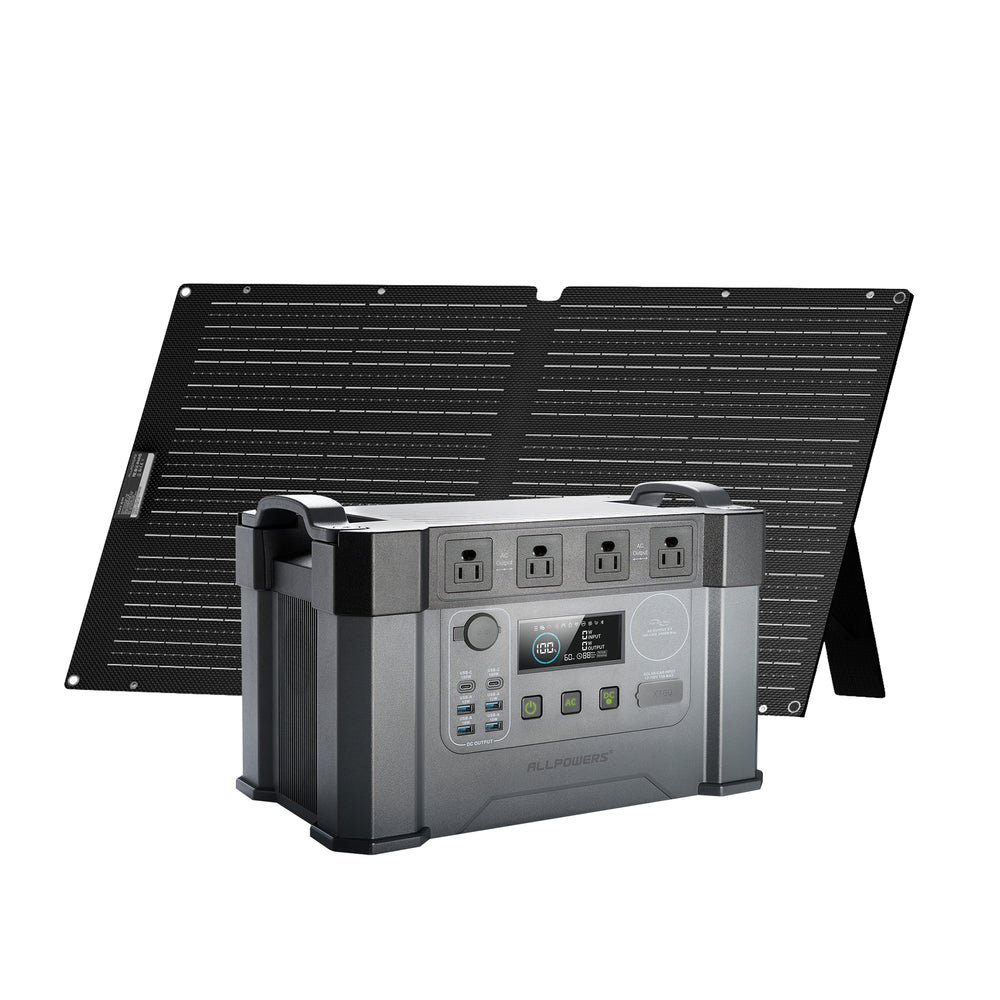
ALLPOWERS S2000 Pro Solar Generator Kit: Best for High-Power Needs
The ALLPOWERS S2000 Pro Solar Generator Kit is designed for users who need more power for home backup, outdoor activities, and off-grid use. Explore its features to see if it fits your energy needs.
3. ALLPOWERS R2500 V2 Solar Generator Kit: Best for Higher-Capacity Backup
The ALLPOWERS R2500 V2 is another option for users who need a higher-output portable power station. The listed V2 configuration offers a 1,920Wh battery capacity and up to 2,500W of rated output.
Pros:
Large 1,920Wh battery capacity.
Up to 2,500W rated output.
Supports solar charging with a compatible panel.
Cons:
Runtime varies depending on connected devices and power usage.
May be bulkier and more expensive than smaller power stations.
Best For: Higher-capacity portable backup, camping, and powering multiple compatible devices.
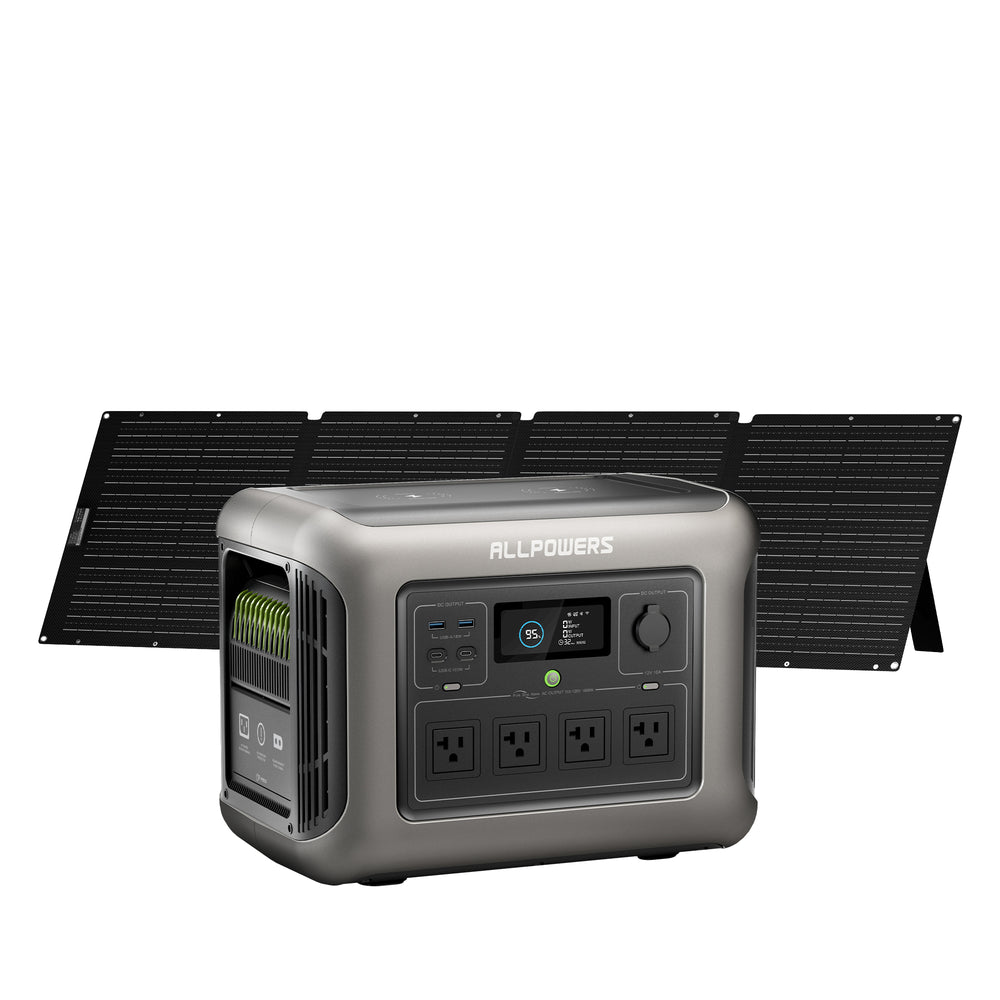
ALLPOWERS R2500 V2 Solar Generator Kit: Best for High-Capacity Backup
The ALLPOWERS R2500 V2 Solar Generator Kit is a practical option for users seeking higher-capacity backup power at home or during outdoor adventures. Compare its features to see if it meets your backup energy needs.
How to Choose the Best Portable Solar Panel
Choosing a suitable solar panel involves more than comparing advertised wattage. The following factors can help you make a better-informed decision.
1. Solar Panel Wattage and Power Output
Wattage shows a panel’s rated power. Higher-wattage panels can charge compatible power stations faster in good sunlight. A 100W panel is easier to carry, while a 200W panel offers more power. Actual output depends on sunlight, shade, temperature, and panel angle.
2. Portability and Weight
Portability is important for camping, road trips, and storage. Foldable panels are easy to carry, while rigid and flexible panels suit specific setups. Before buying, check the panel’s weight, folded size, cables, and support legs.
3. Conversion Efficiency
Solar efficiency shows how well a panel converts sunlight into electricity. Higher efficiency can produce more power from a smaller panel. When comparing panels, check efficiency, wattage, size, and price per watt.
4. Weather Resistance and Durability
Portable solar panels may face dust, rain, wind, and changing temperatures. Check the manufacturer’s IP rating and care instructions to understand their water and dust protection. Always follow usage guidelines and store panels properly when not in use.
5. Compatibility With Your Power Station
Before buying a solar panel separately, confirm that it is compatible with your power station.
Check the supported solar input voltage, maximum current, connector type, and maximum solar charging wattage. An adapter does not guarantee compatibility if the electrical specifications do not match.
6. Price and Overall Value
Before buying, check that the solar panel matches your power station’s voltage, connectors, and charging limits. Compare price, wattage, portability, durability, and warranty. For solar generator kits, consider the total cost of both the panel and power station.
Portable Solar Panels vs. Traditional Solar Panels
Portable and rooftop solar panels serve different purposes.
Portable solar panels are easy to move and useful for camping, RV travel, outdoor work, and charging compatible power stations.
Traditional rooftop solar panels are installed on buildings to generate electricity for homes or properties. They typically require mounting equipment and professional installation.
Portable panels paired with a power station can run compatible devices, but powering an entire home requires a properly designed system.
Best Ways to Use Portable Solar Panels
Camping and Outdoor Adventures: Recharge compatible power stations and devices using sunlight. Foldable panels are easy to carry and set up.
RV and Road Trips: Recharge compatible battery stations while traveling. Consider panel size, weight, and charging compatibility.
Emergency Power Backup: Pair a solar panel with a battery power station to power essential devices during outages. Backup time depends on battery capacity and power usage.
Phones, Cameras, and Small Electronics: Use compact solar chargers for phones, cameras, and GPS devices. Check the ports and output ratings before buying.
Common Mistakes to Avoid When Buying Portable Solar Panels
Avoid these common purchasing mistakes:
Choosing a panel based only on its advertised wattage
Ignoring the panel's compatibility with your power station
Assuming rated output will be available throughout the day
Buying a heavy panel when portability is essential
Overlooking weather-resistance limitations
Assuming a portable solar setup can run every household appliance
Failing to check current product prices, stock, and warranty terms
Taking time to compare these factors can help you avoid purchasing a panel that does not suit your intended use.
Final Thought:
The best portable solar setup depends on your power needs, budget, and portability preferences. The ALLPOWERS R1500 may suit everyday portable power needs, while the S2000 Pro and R2500 V2 offer higher output or battery capacity. Compare their specifications, solar compatibility, and total cost before purchasing. Always check the latest product details and availability to choose the right setup for your needs.
FAQs:
Do portable solar panels work on cloudy days?
Yes, they can generate some electricity in cloudy conditions, but output is generally lower than in strong direct sunlight. The amount depends on cloud cover, panel design, and other environmental conditions.
Is a 100W or 200W solar panel better?
A 100W panel can be a practical choice when portability and smaller charging needs are priorities. A 200W panel offers higher rated output and may be more suitable when you need to recharge a larger battery. The right choice depends on your energy requirements and transport needs.
Do portable solar panels store electricity?
No. A standard solar panel generates electricity but does not store it. A compatible power station or battery is needed to store energy for later use.
What should I check before buying a solar generator kit?
Compare battery capacity, rated output, solar input limits, included panel wattage, connectors, warranty, price, and availability. Make sure the system can support your intended devices.
Frequently Asked Questions
Yes, they can generate some electricity in cloudy conditions, but output is generally lower than in strong direct sunlight. The amount depends on cloud cover, panel design, and other environmental conditions.
A 100W panel can be a practical choice when portability and smaller charging needs are priorities. A 200W panel offers higher rated output and may be more suitable when you need to recharge a larger battery. The right choice depends on your energy requirements and transport needs.
No. A standard solar panel generates electricity but does not store it. A compatible power station or battery is needed to store energy for later use.
Compare battery capacity, rated output, solar input limits, included panel wattage, connectors, warranty, price, and availability. Make sure the system can support your intended devices.